The New Domane Is Coming — and It Might Close a 20-Year Chapter
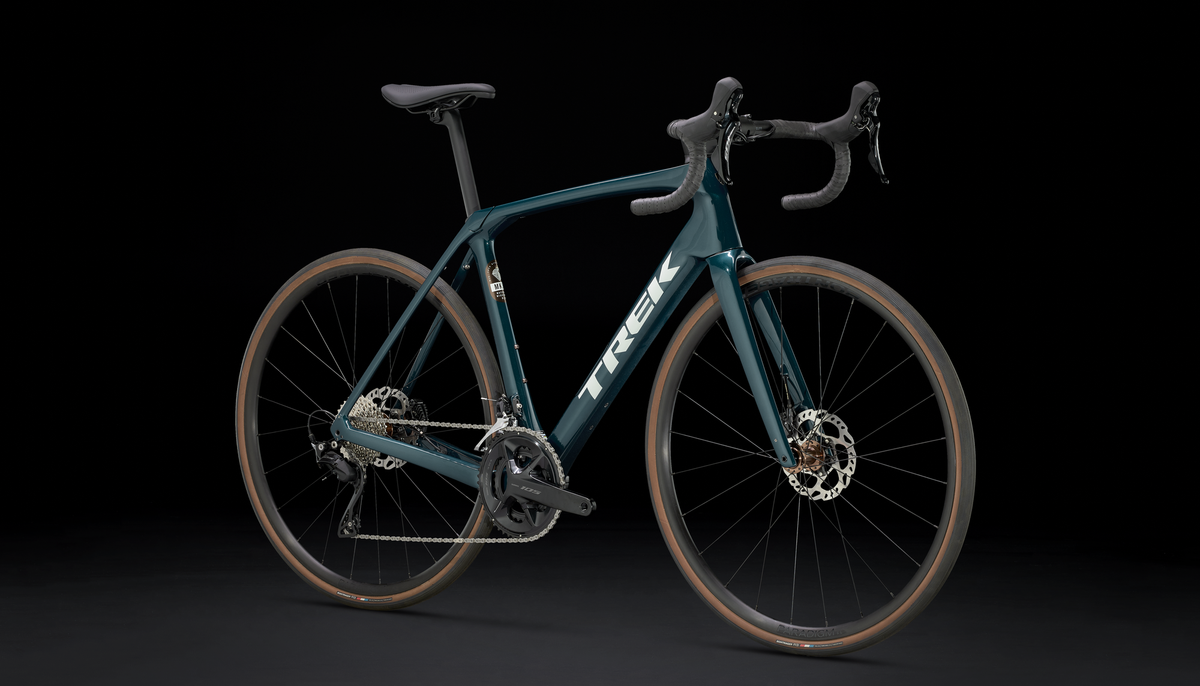
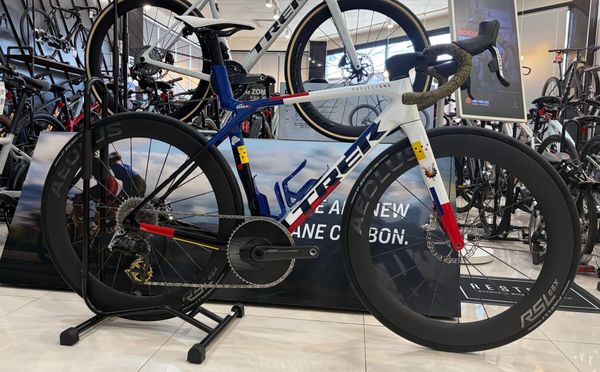
A new Trek Domane appears to be on the way. Trek hasn't announced anything officially, but a blacked-out bike that doesn't match any current model was spotted under Lidl-Trek riders in the team's Roubaix footage, and the usual rumors point to a lighter frame in SLR, SL, and ALR versions. If the pattern holds, we'll see a Domane Gen 5 soon.
Before it arrives, I want to step back and tell a longer story — because the Domane's history is, more or less, the history of the endurance road bike itself. And I think the Gen 5 might be the moment that category finally figures out what it wanted to be all along.
Where endurance bikes started
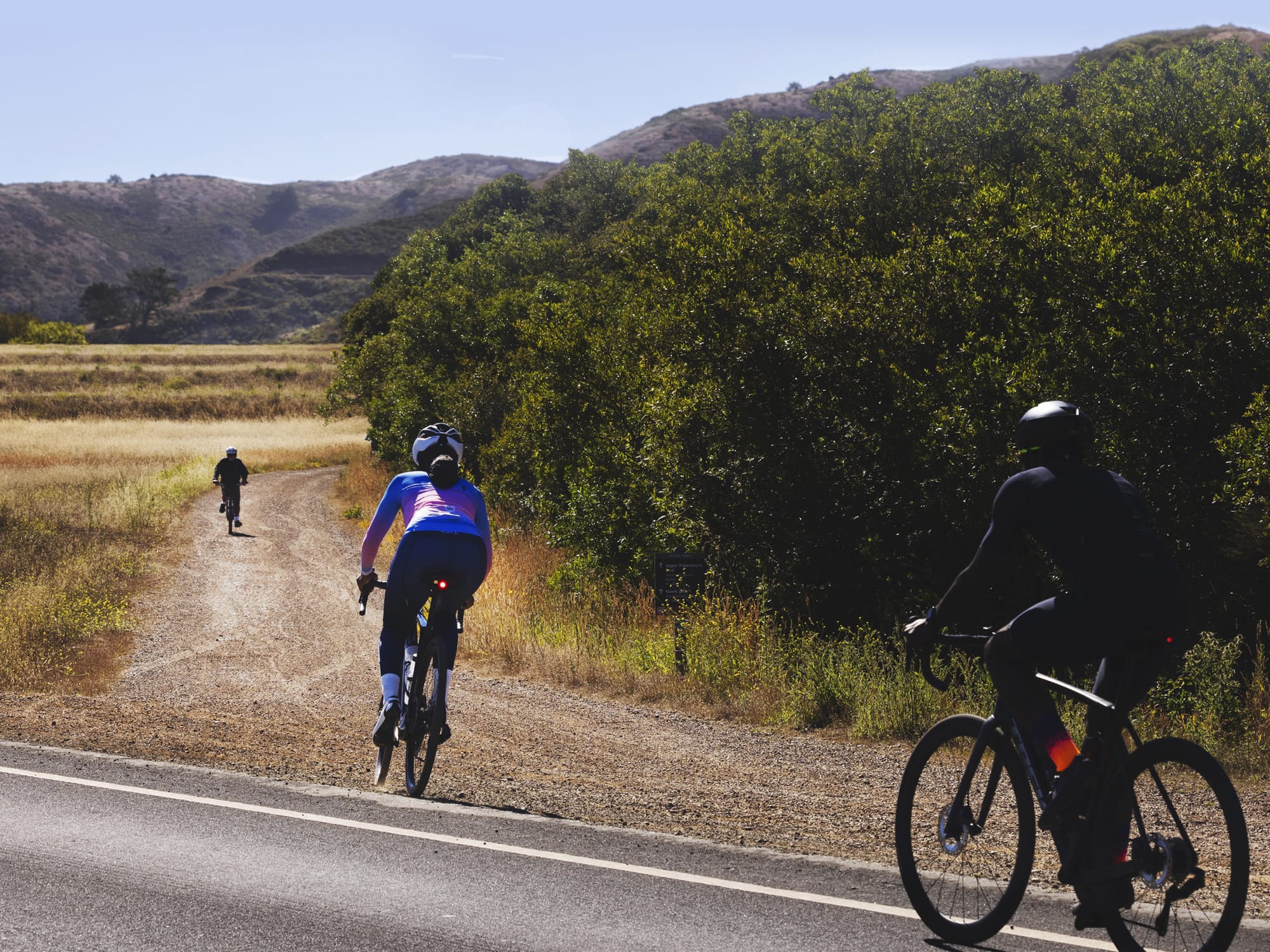
Endurance road bikes began appearing one by one through the late 2000s. The idea was simple: take a lightweight road bike and make it easier to live with on long days.
The first tool was geometry. A shorter top tube and a taller head tube let the rider sit more upright, which mostly meant one thing — your lower back hurt less after five or six hours in the saddle.
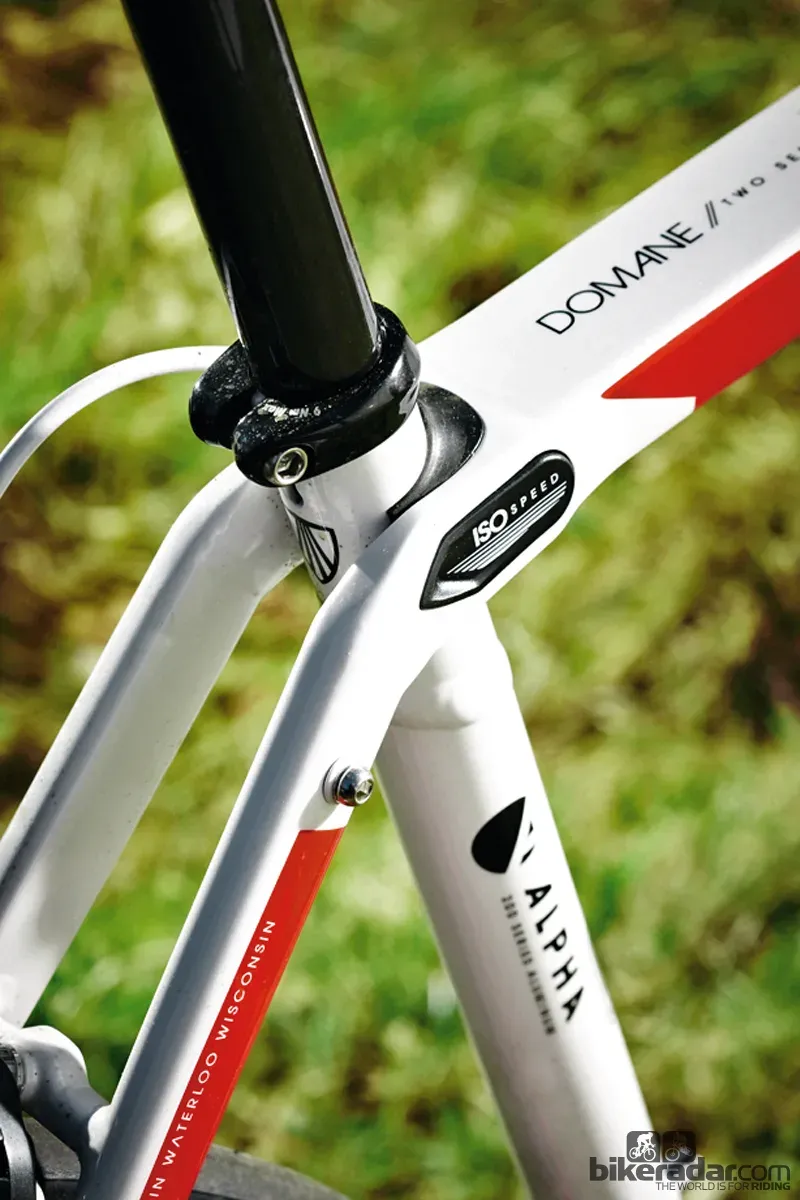
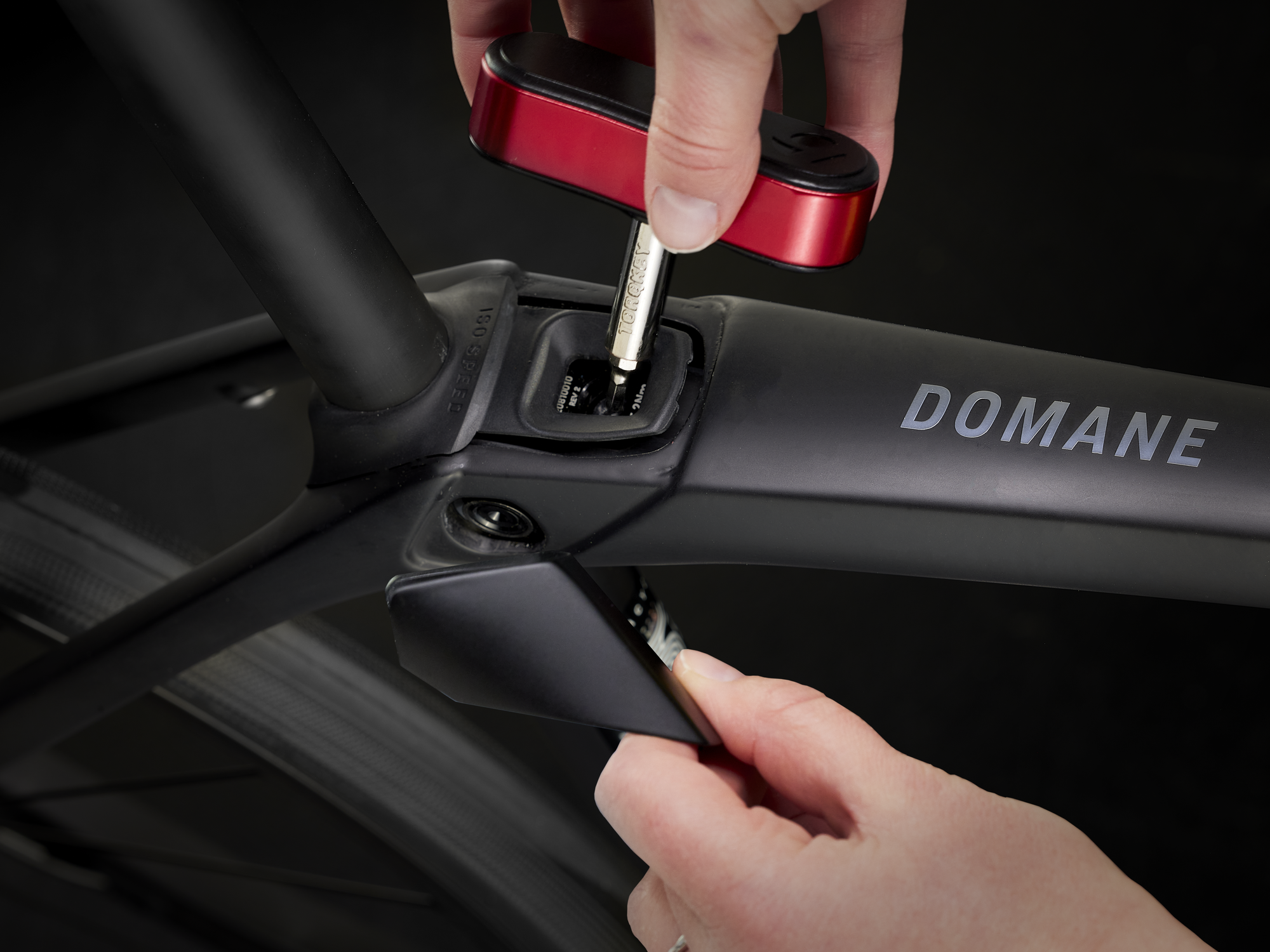
The second tool was comfort hardware. Brands put elastomer inserts into seatstays, seatposts, and stems, or designed the seat tube to flex independently from the rest of the frame — Trek's own IsoSpeed decoupler, introduced on the first Domane, is the best-known example. The goal was a smoother ride without giving up the road bike underneath.
And that last part is the key: these were still road bikes. Tire clearance beyond 28mm was rare, because 23mm was the standard of the era and even a 28 was considered a fat tire. The endurance bike was a different flavor of road bike, not a different kind of bike.
That's also why, for a long time, it stayed a niche. It was a reasonable product, but there was no strong reason to choose one. If you wanted a road bike, you bought a road bike. Endurance models sat in a corner of the catalog for riders who already knew exactly why they needed one.
The turning point: Domane Gen 4
In my view, the bike that changed the category wasn't an early endurance model — it was the Domane Gen 4, released in 2022.
Trek made a genuinely bold set of decisions with that bike:
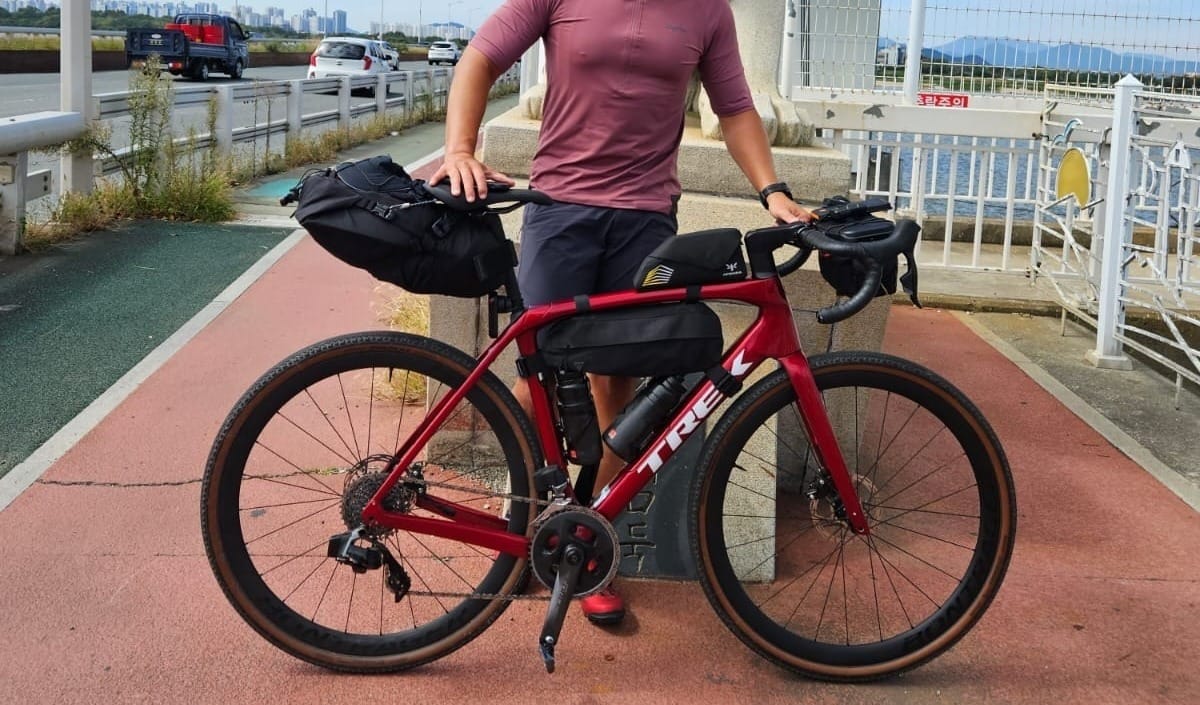
Tire clearance jumped to an official 40mm — and in our own testing at the shop, a 45mm tire physically fit. That single number moved the Domane out of "road bike with a tall head tube" territory and placed it squarely in the gap between road and gravel. With the right tires, you could realistically use it as a gravel bike.
It shipped with 32mm tires as standard — one of the first mainstream road bikes to do so, at a time when that still looked strange on a spec sheet.
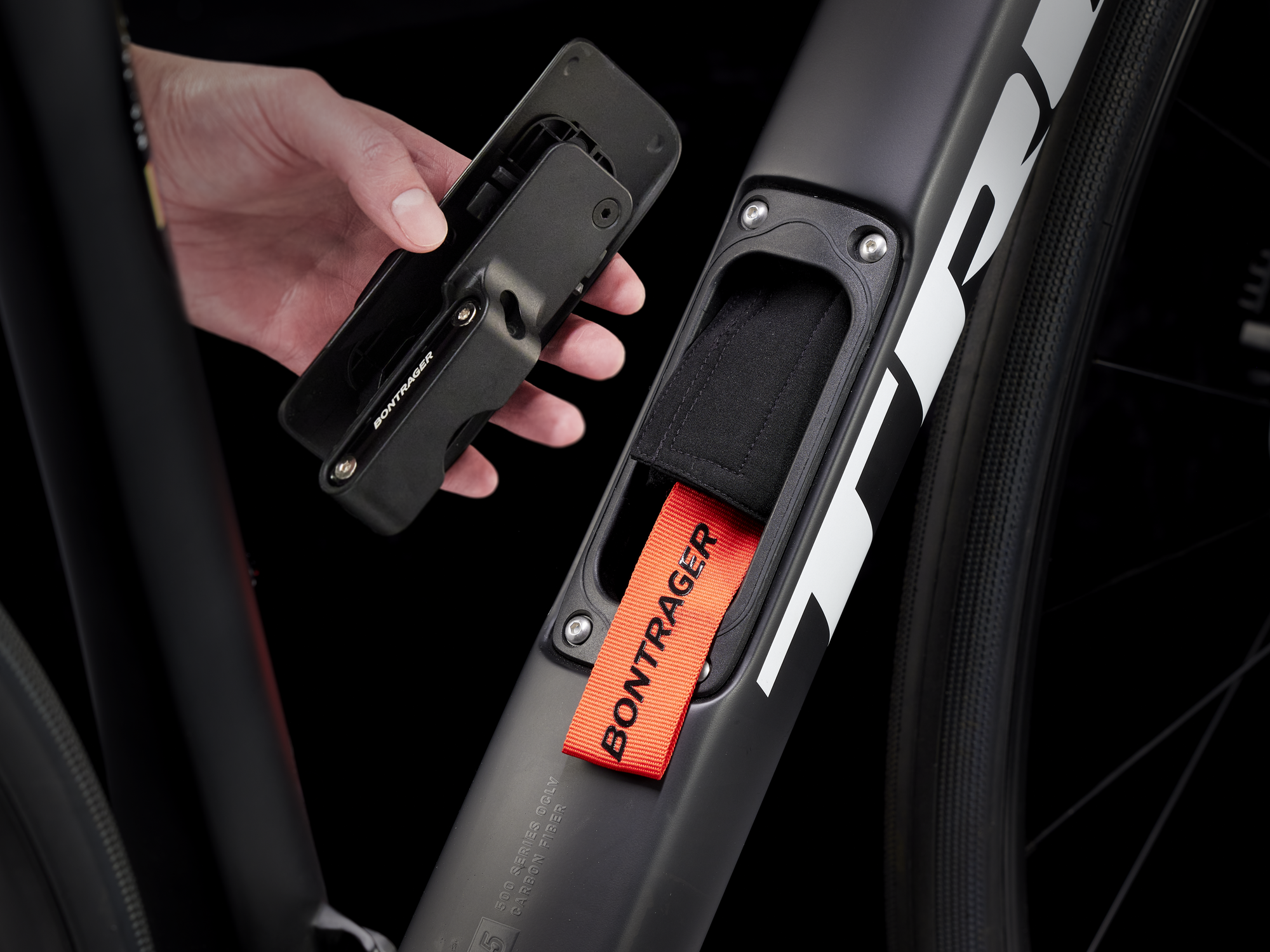
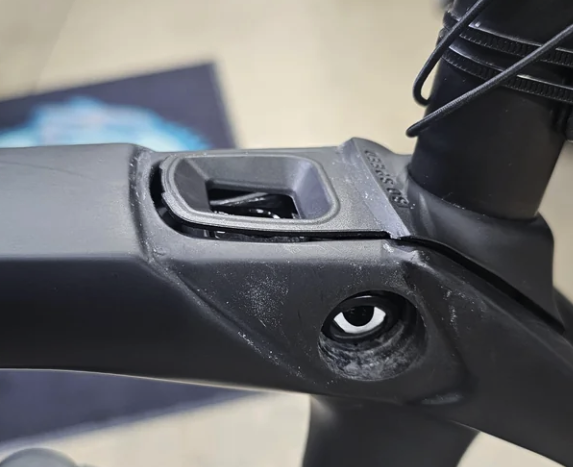
It kept the rear IsoSpeed for ride quality and added down tube storage, a small trunk inside the frame that gravel riders had already learned to love.
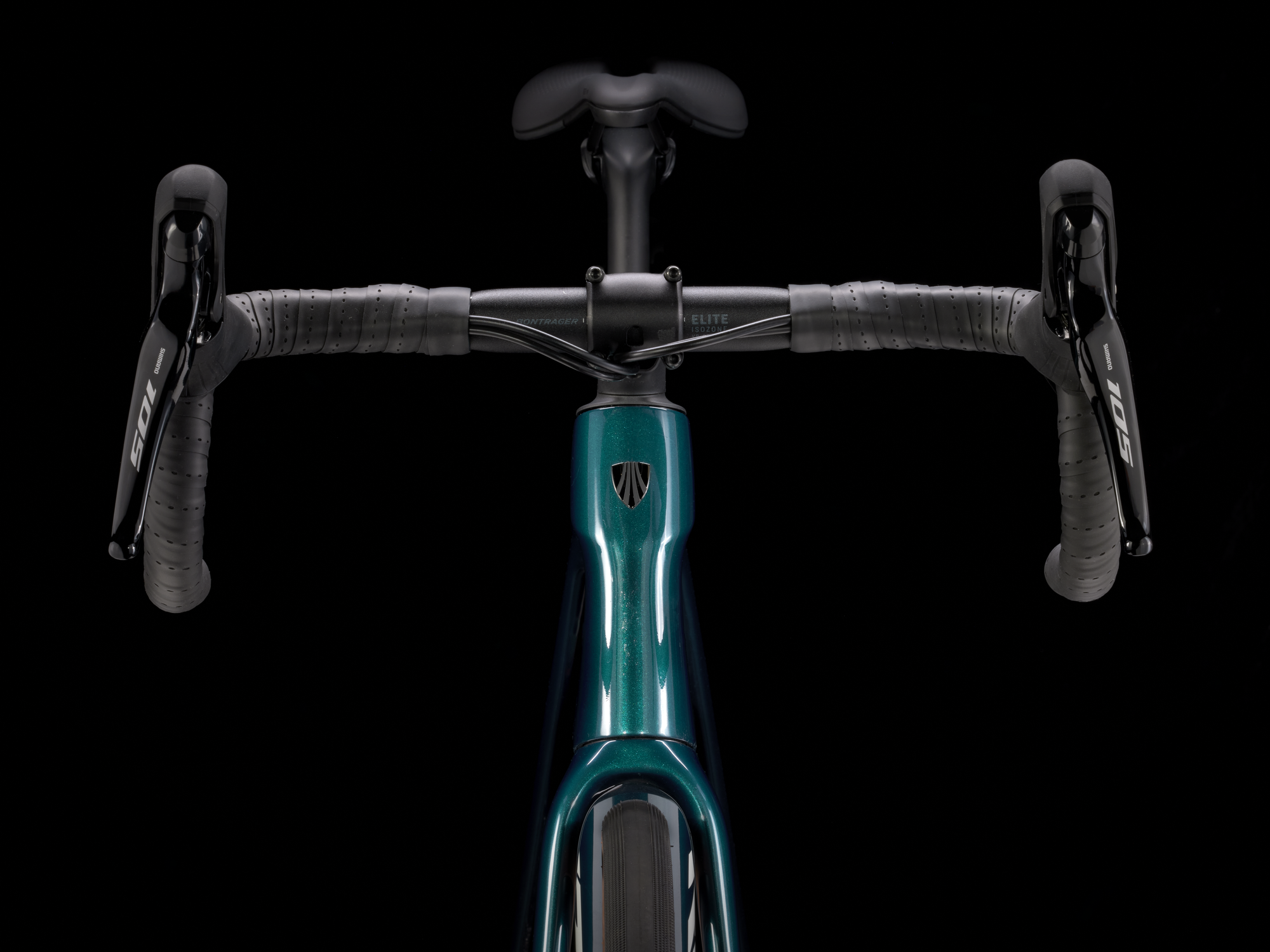
And it deleted the front IsoSpeed. The head tube suspension had been there through Gen 3, but Trek concluded the drawbacks outweighed the benefit — and honestly, wider tires were now doing that job better anyway.
What the Gen 4 got wrong — honestly
I respect the Gen 4, and I say this as a shop that sells and rides them: it wasn't a bike without problems.
The frame was heavy for a road bike. My guess is Trek reinforced it to handle bikepacking loads, which is a fair trade — but riders who walked in expecting a road bike were often surprised by the number on the scale.
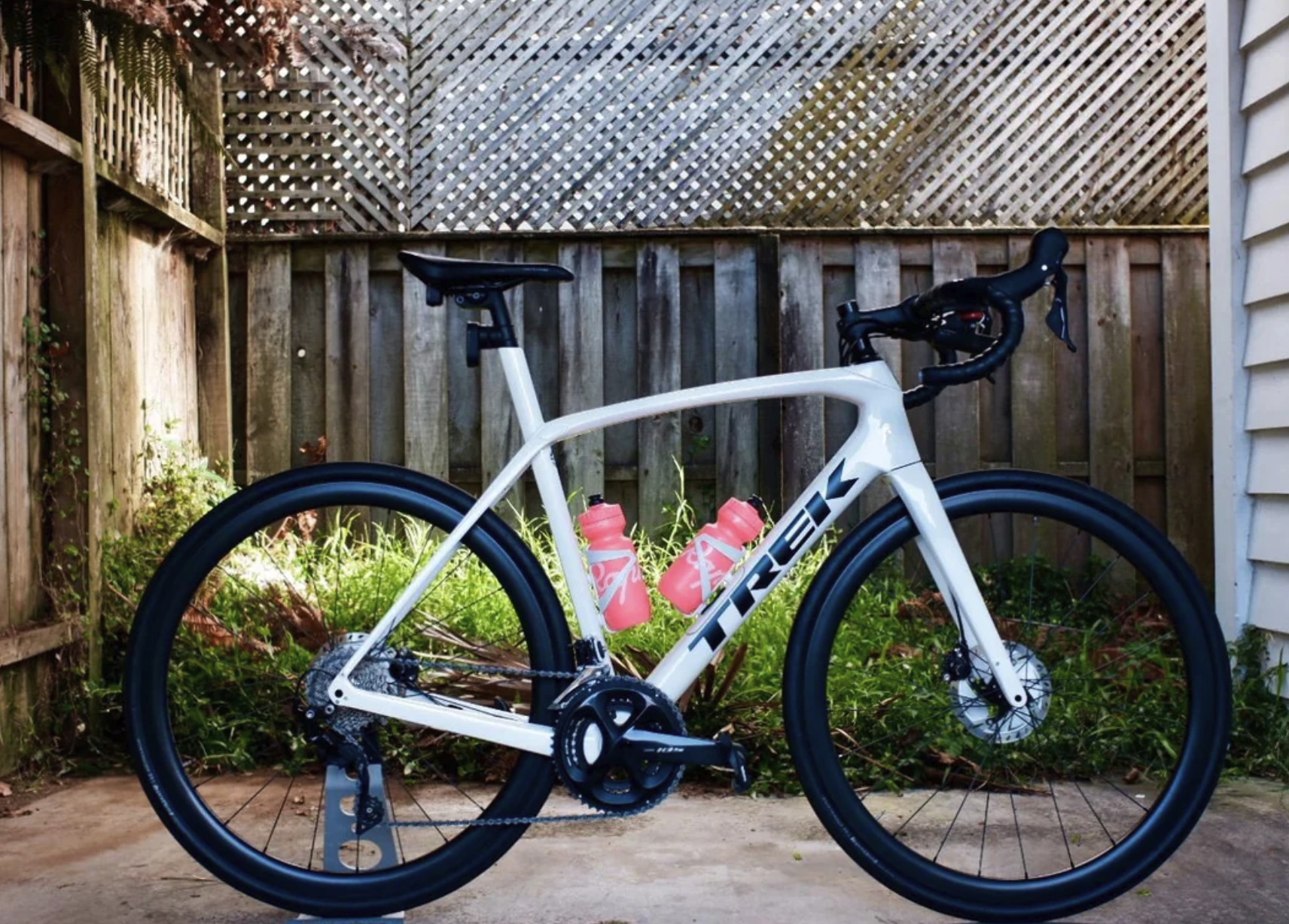
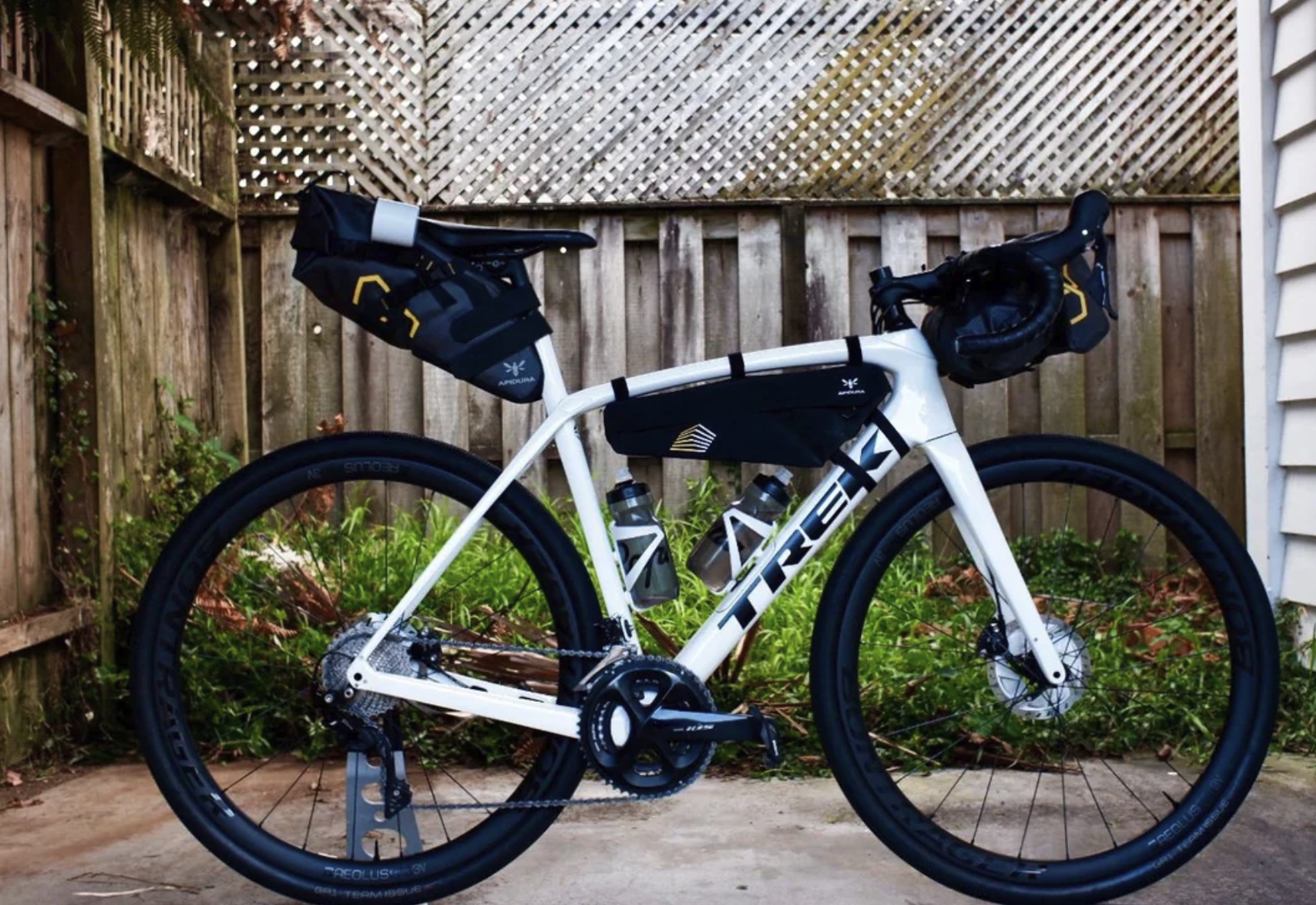
The versatility of the Trek Domane - Love this bike!
by u/HiKenny in DomaneCrew
The weight balance sat slightly behind the bottom bracket, and the stock seatpost came with a 20mm setback. That position is genuinely good for long, steady riding — you pedal from behind the bottom bracket with a strong, relaxed downstroke that lasts all day. But the moment you want to go fast, the position feels in-between. You can't quite get your weight over the pedals, and the bike doesn't respond the way its road-bike silhouette suggests it should.
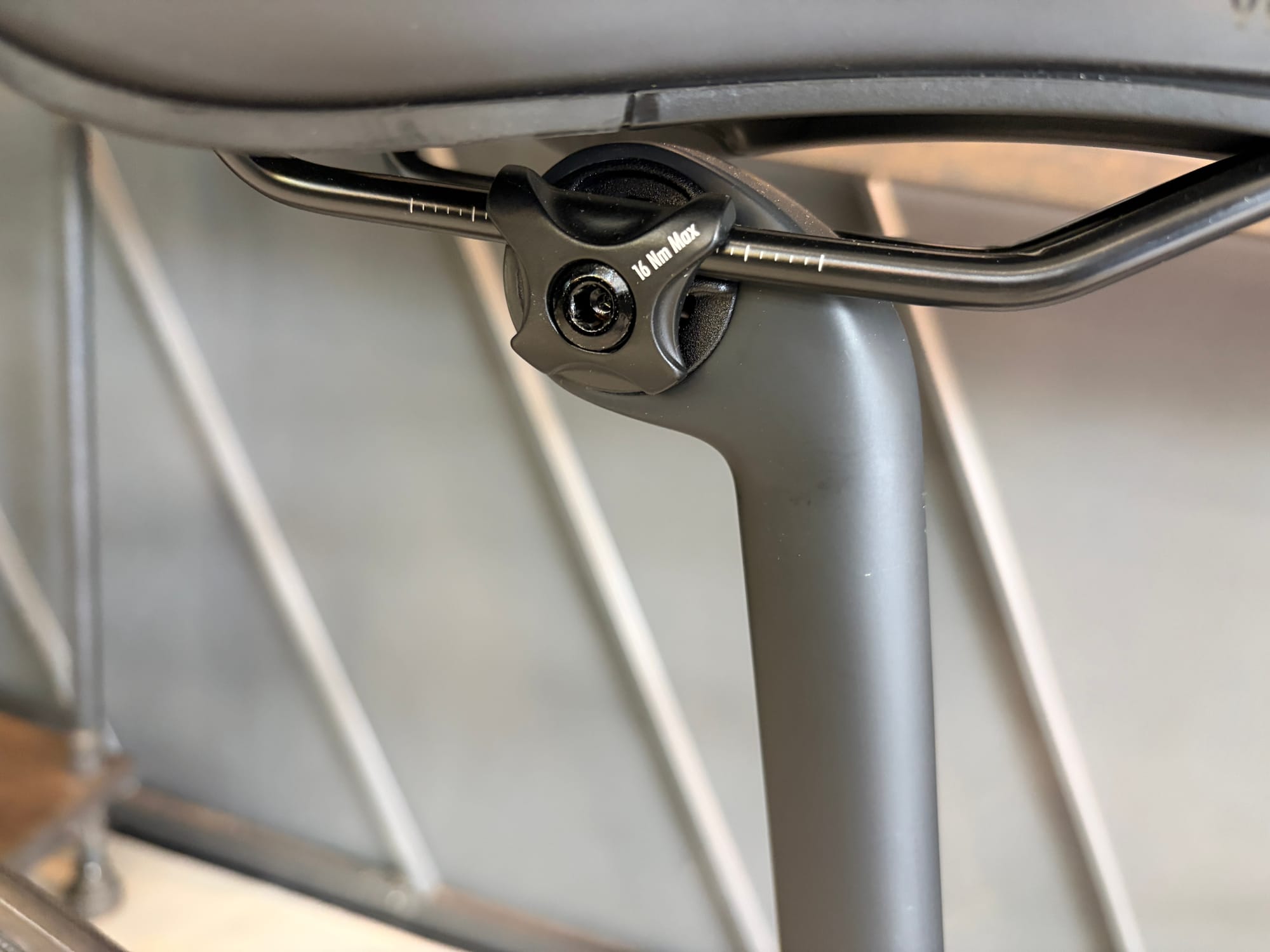
The IsoSpeed, for all its comfort, needed regular maintenance. Dust and grit work their way in, it develops noise, and if you don't service it on schedule it will eventually cause trouble — not a defect, just a real ownership cost that reviews rarely mentioned.
So the Gen 4 ended up disappointing two groups at once: riders who expected a classic endurance road bike found it heavy and vague, and riders who bought it off glowing reviews found it neither fully road nor fully gravel. I think the direction was ahead of its time and the reasoning was sound — but it wasn't quite the bike the market understood itself to be asking for.
Gen 5: from "how long" to "where"
Everything we've seen and heard about the Gen 5 suggests Trek is correcting exactly those points: a significantly lighter frame with a more all-round road character, so it doesn't give up speed — while keeping the wide tire clearance that made the Gen 4 useful in the first place.
If that's accurate, the new Domane lands very close to the genre people have started calling all-road.
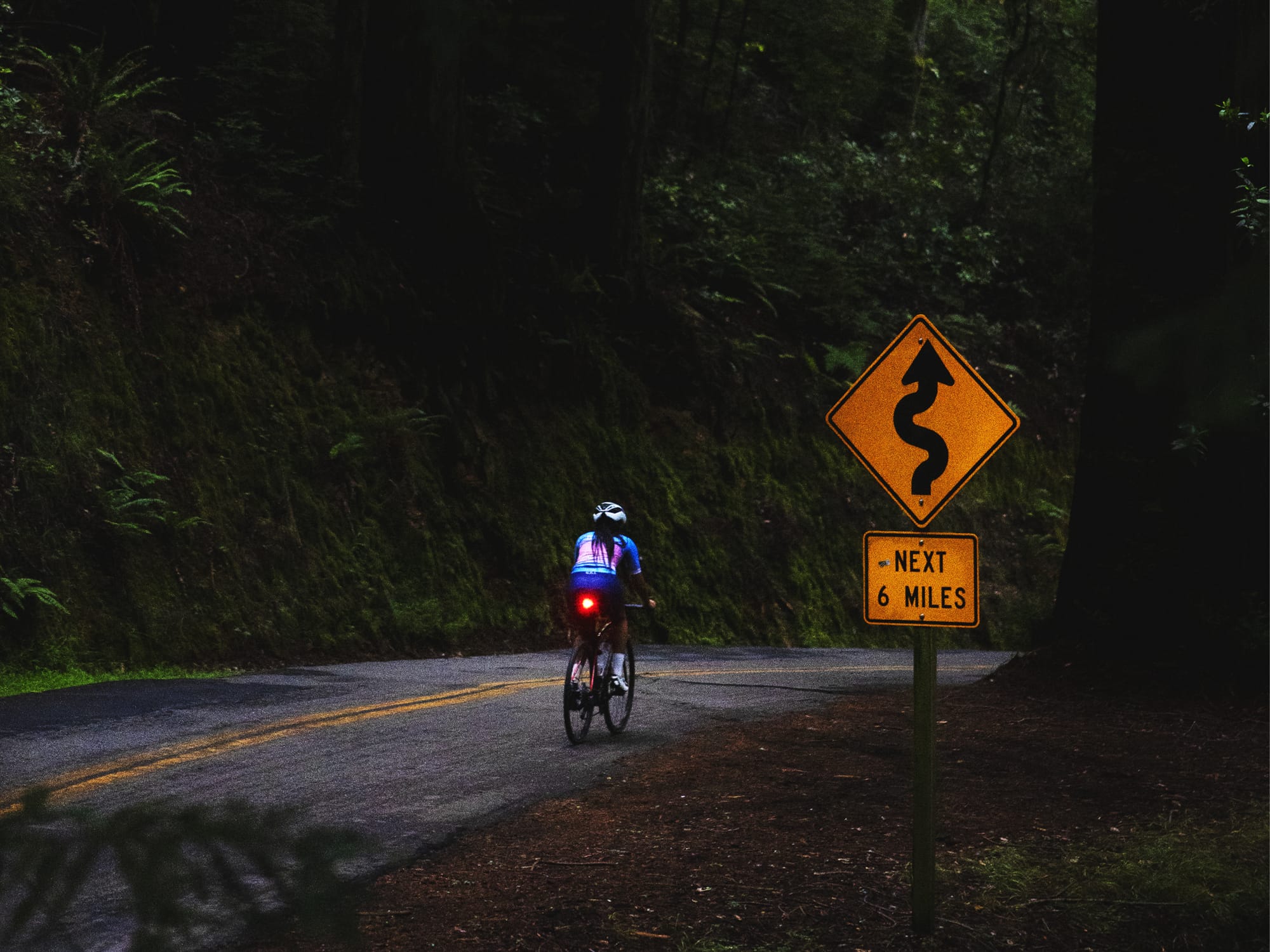
The difference between "endurance" and "all-road" sounds like marketing, but I think it's a real shift in thinking. Endurance defines a bike by time: decide the ride will be long, then bolt on whatever a long ride needs. All-road defines a bike by place: it's a road bike first, built so that the road ending — or turning to dirt, or getting rough — doesn't end your ride.
The old definition wasn't wrong. But "goes anywhere" is simply more intuitive than "goes far." A rider standing in a shop understands "you can take this down the river path, up a mountain road, and onto gravel" immediately. "It's comfortable over long distances" takes more explaining, and it quietly implies the bike is slow, which was never really the point.
One interpretation
No bike does everything well — fast and smooth, light and tough, cheap and good, you always trade something. So I won't claim the Gen 5 will be the answer for everyone.
But my read is this: after nearly twenty years of trial and error, the endurance category is arriving somewhere. A bike that sits at the center of road and gravel, covers most of what cyclocross bikes used to do, and doesn't ask you to explain to your friends why it's slower than their road bikes. If the Domane Gen 5 is what the leaks suggest, it won't be a niche flavor of road bike anymore — it will be the general-purpose road bike, full stop.
When it officially lands, we'll build one, ride it on the roads (and non-roads) around here, and tell you what it actually is. Until then, this is one shop's interpretation of where the story has been heading.
References: the unreleased bike sighting was discussed at Escape Collective's community and Bikerumor.