Road, Gravel, or MTB? Choose It Like You'd Choose a Car
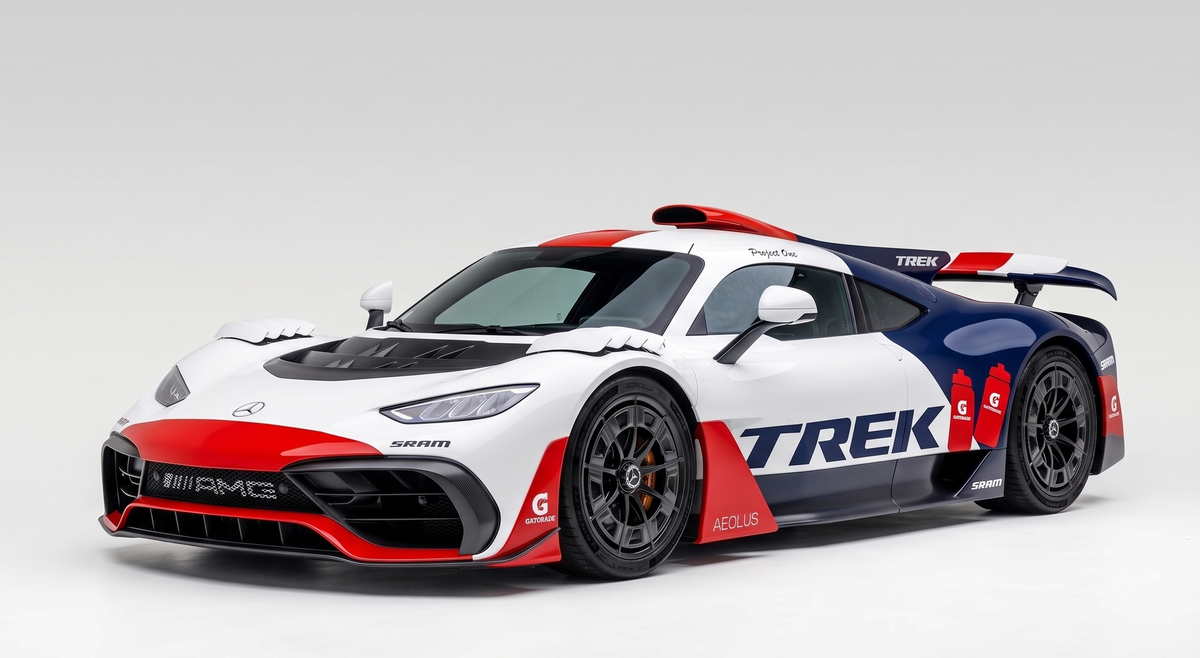
People usually choose a bike by category — road, gravel, mountain — but those words are the answer, not the question. They don't tell you which one is yours.
The usual shortcuts don't help much either. "Pick by what you'll use it for" is too vague. And "pick the fastest one" falls apart immediately, because nobody actually wants a slower bike. If speed were the whole story, everyone would ride a road bike and the conversation would be over.
So speed isn't the question. Here's a question that works better, and you already answer it every day with your car:
What do you want the machine to be?
Put four people on the same road and they'll drive completely different cars — not because of speed, but because of character. Bikes split the exact same way.
What kind of driver are you?
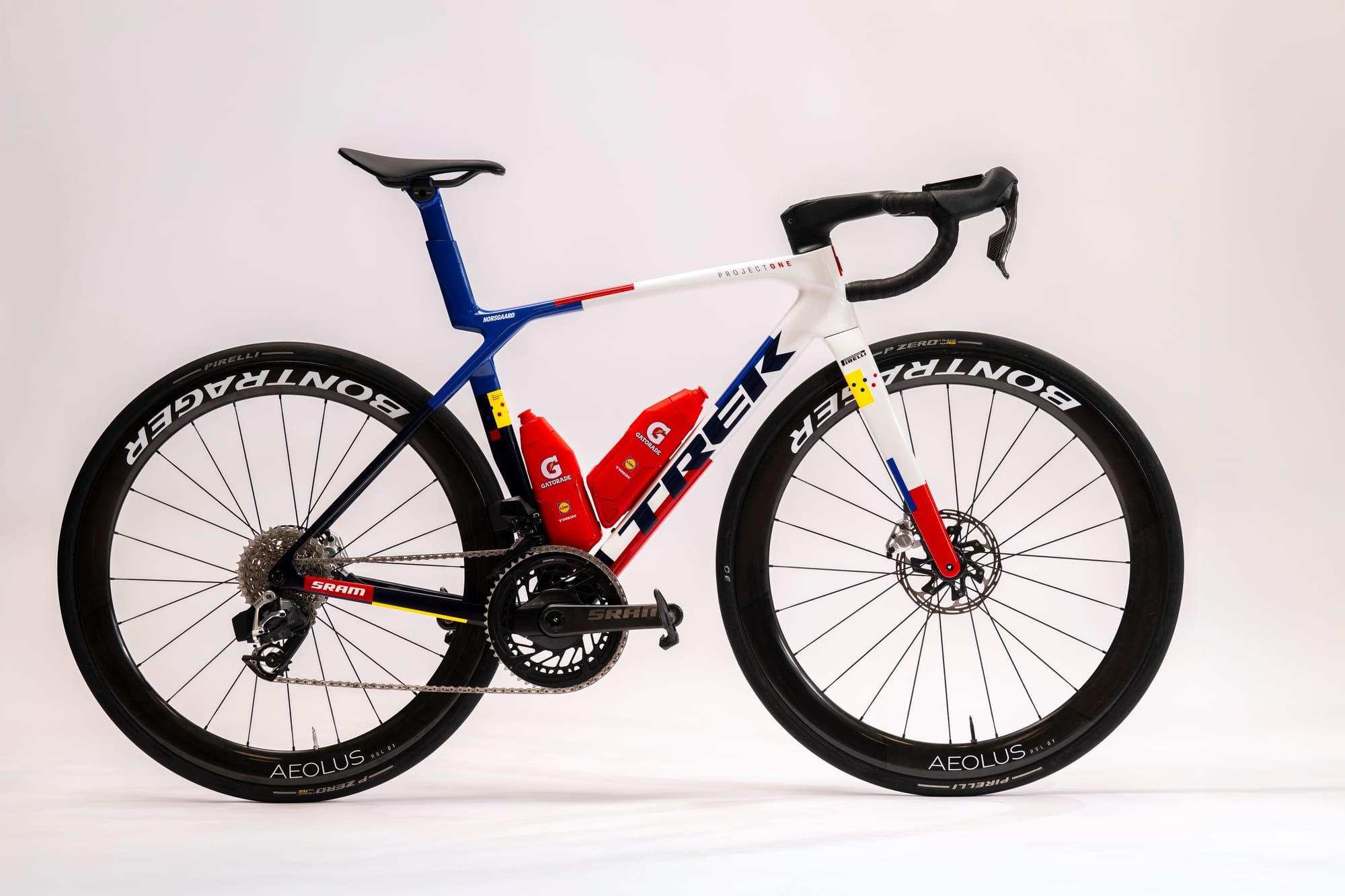
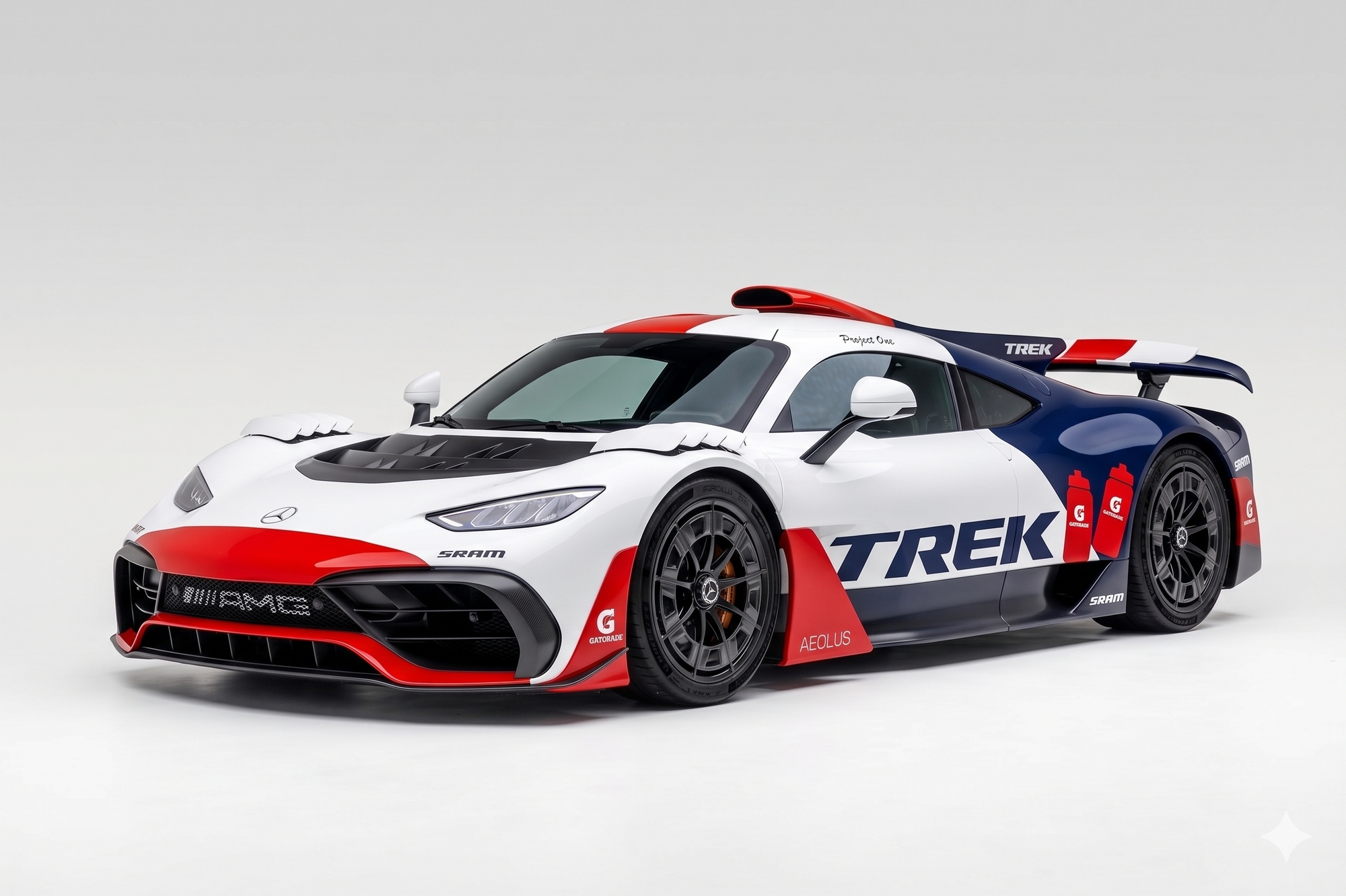
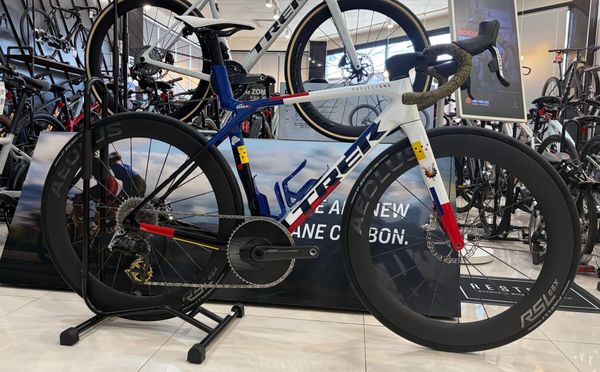
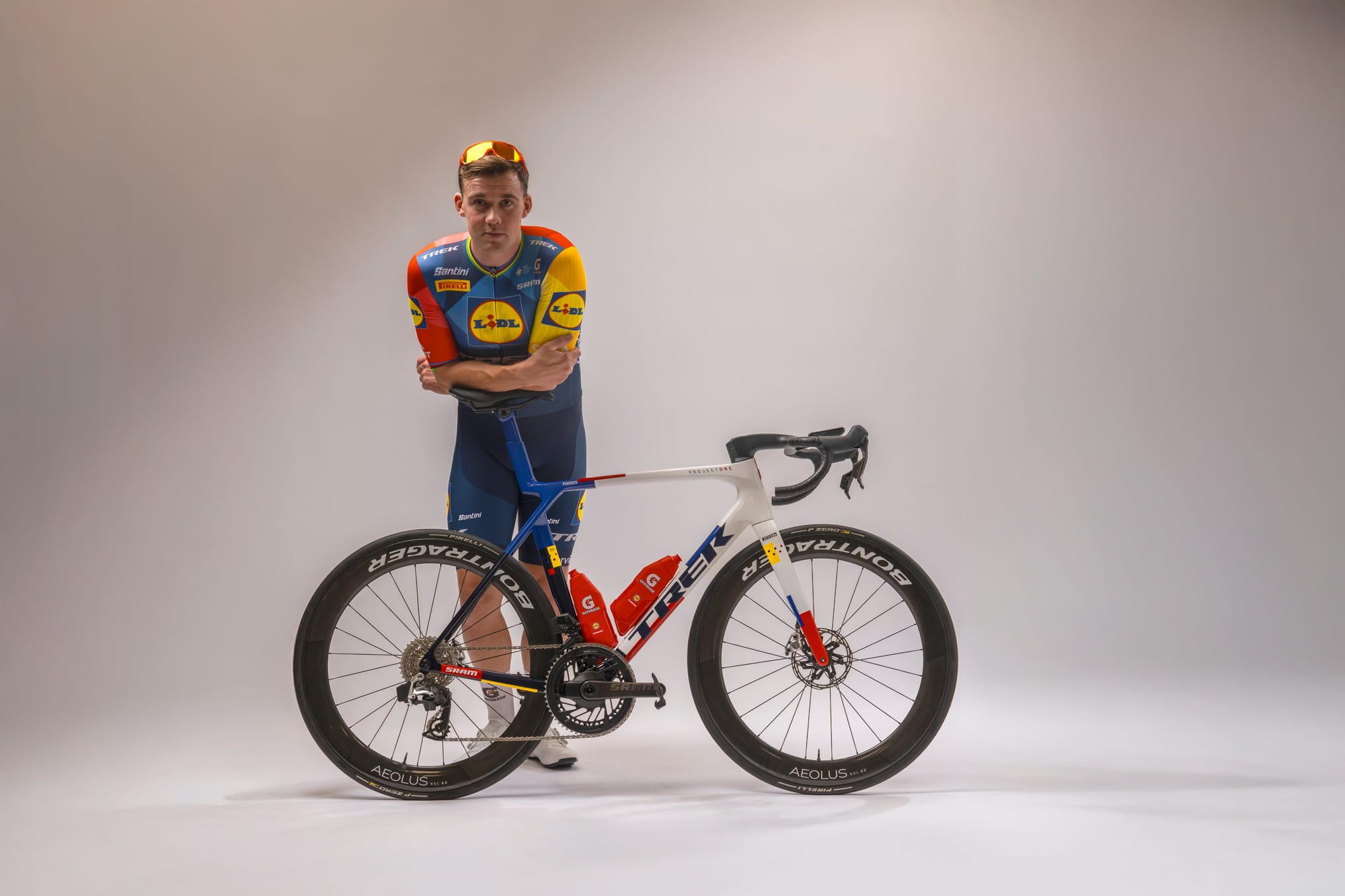
The drive is the point — the road bike.
Some people are drawn to a car built around driving — a sports car, a coupe, something quick and direct. The purest version of that instinct is a thoroughbred like a Porsche 911, where every part exists to go fast. For them the essence of the car is the driving — the directness, the way it answers when you push. A road bike is the same instinct on two wheels. Forward motion, made as pure and quick as possible. If the act of riding is the reason you ride, this is your car.
"What can I do with it?" — the gravel bike.
Other people gravitate to an SUV. Driving still matters, but the real draw is everything the vehicle lets them do. Carry a load, take a trip, commute Monday, explore Sunday — one machine for all of it. A gravel bike is built around that same do-everything mindset. Not the most specialized at any one thing, but ready for almost anything.
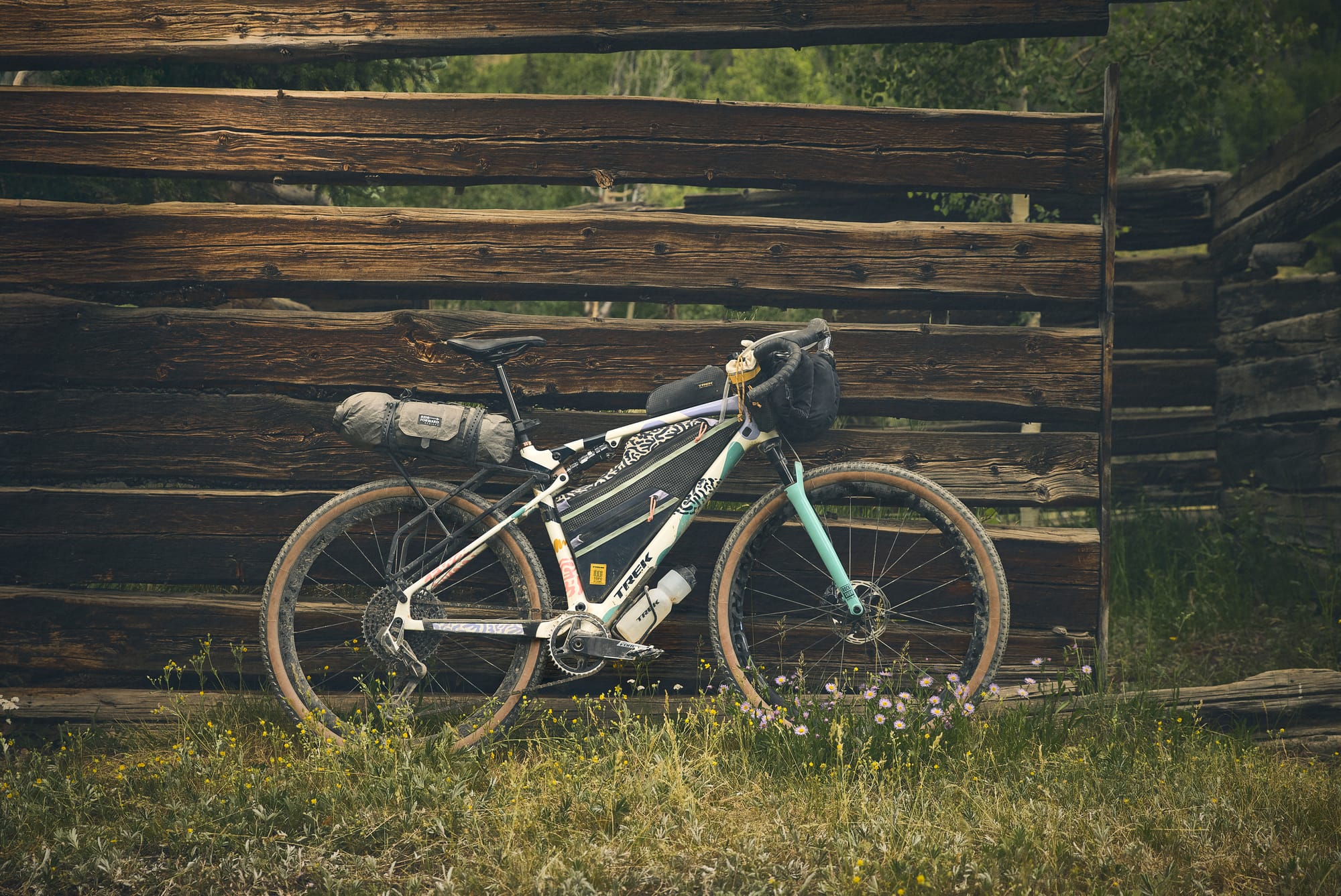
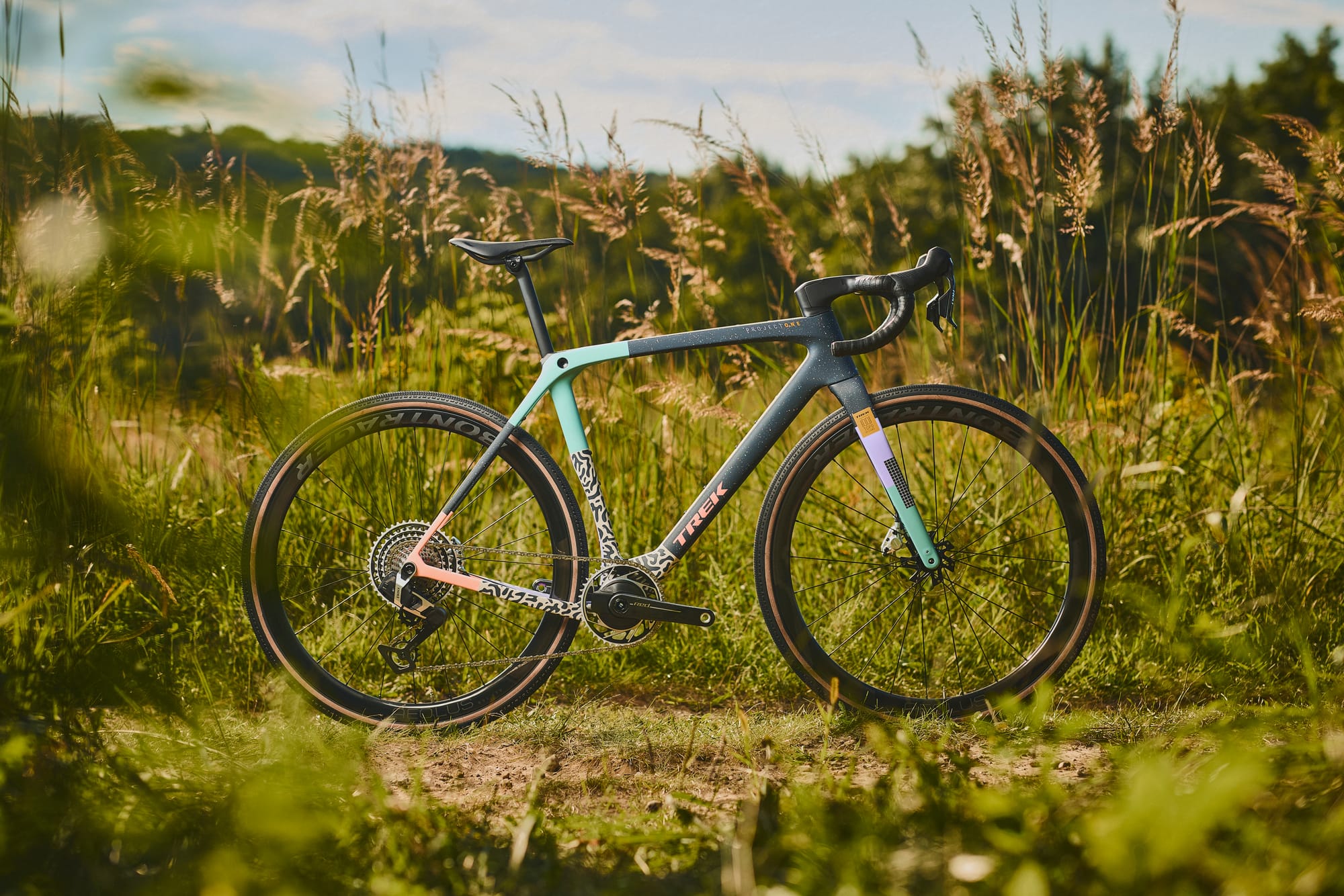
Both, no compromise — the high-end gravel bike.
Then there's the person who looks at an SUV and still wants the performance version — the SUV's own AMG. They refuse to give up either the driving or the versatility. In bikes, that's a high-end gravel build: it keeps the go-anywhere range but adds the sharp, light, fast-feeling parts. The do-it-all bike that still loves to be pushed.
The character itself — the mountain bike.
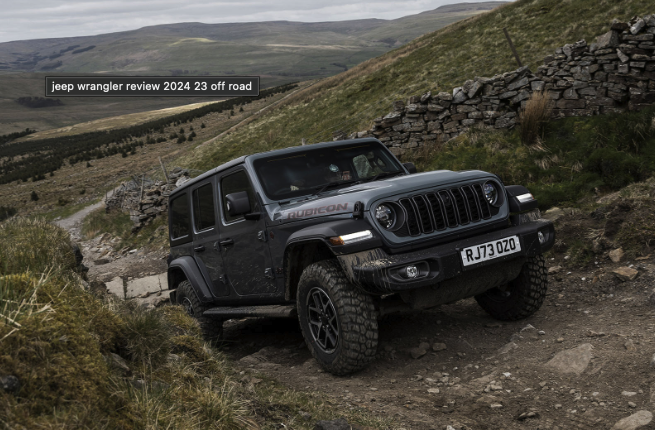
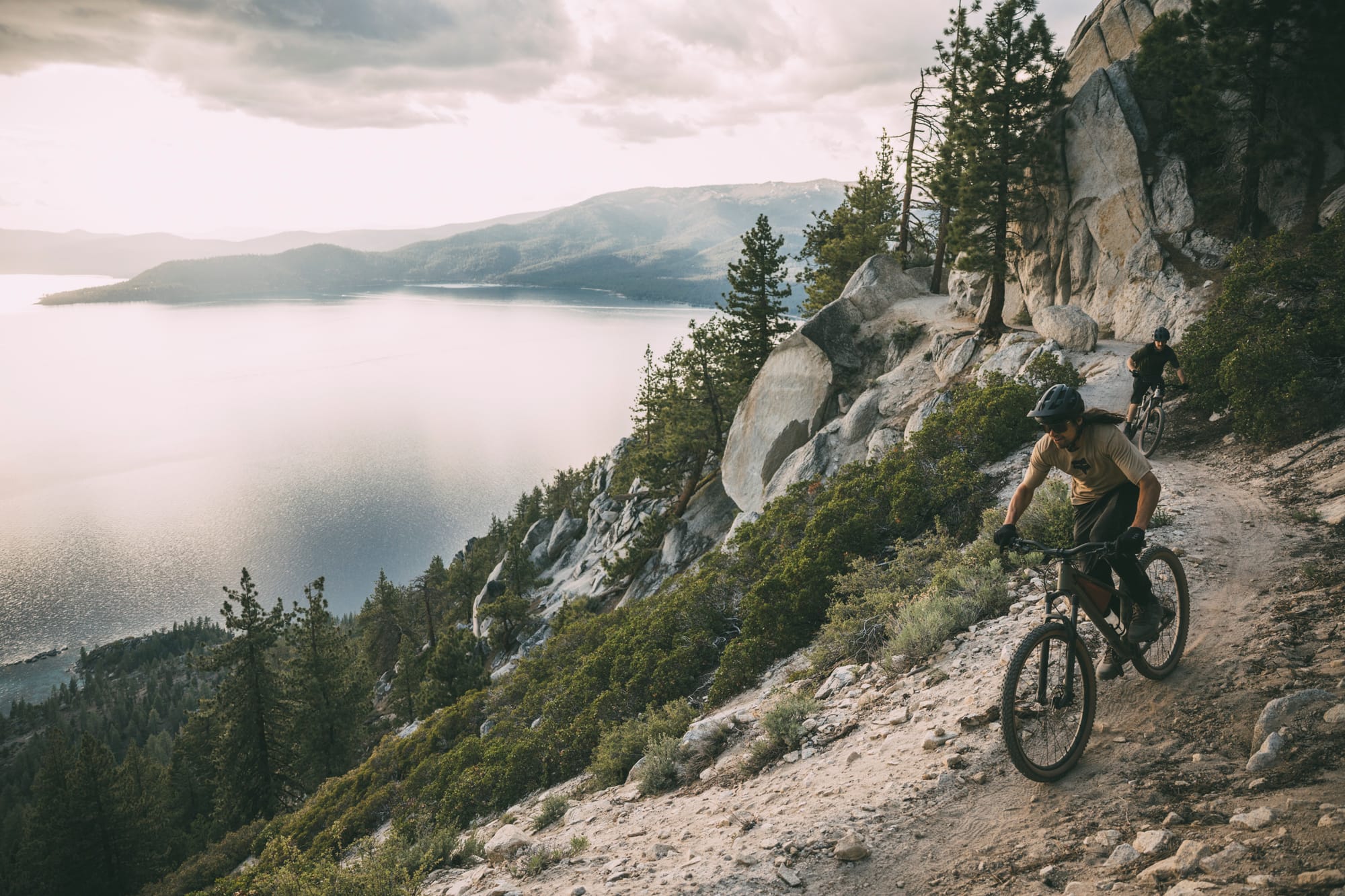
And some people are drawn to a rugged off-roader — a Jeep — without ever planning to touch a trail. Sure, some genuinely need the rough-terrain ability, but plenty just love the rugged character: the sense that the machine could go anywhere, climb anything, shrug off whatever's in front of it. A mountain bike scratches that exact itch. Speed isn't the appeal; unstoppable is.
- You valueThe ride itself
- Home speed~32 km/h
- Best surfaceSmooth pavement
- CharacterDirect, quick, focused
- You valueVersatility
- Home speed~28 km/h
- Best surfaceMixed · distance
- CharacterDo-everything
- You valueCapability, toughness
- Home speed~19 km/h
- Best surfaceSteep, loose, technical
- CharacterUnstoppable
"Home speed" is the cruising pace each bike is geared around, at a comfortable ~90 rpm cadence on its real tire (Road 700×28C, Gravel 700×40C, MTB 29×2.2"). It's a fingerprint of the bike's character, not a ranking — and on rough ground the wider tires pull ahead regardless of the numbers.
So how does that character show up in the bike itself?
Here's where speed finally earns its place — not as the thing you choose, but as the evidence of the choice. A character isn't just a vibe; the engineers build it in.
Your legs are the engine. Gearing is the translator that decides which speed range your effort comes out in. And because you have one comfortable pedaling rhythm — a cadence around 85–95 rpm where your legs work efficiently — the designer arranges the gears so that comfortable rhythm lands wherever the bike is meant to live. That cluster is the bike's sweet spot, its home speed.
The chart below shows it. Each bar is the road speed a setup delivers at that comfortable cadence; the tick marks are individual gears, and the shaded zone is the home speed.
Each bar is the road speed a setup delivers at the same comfortable pedaling cadence. Tick marks are individual gears (closer = finer steps); the shaded zone is where the gears cluster — the speed the bike is really built for.
You can read each character right off it:
- The road bike packs its gears high and tight — built to hold a fast, steady pace and fine-tune your cadence while doing it. The M-sedan, tuned for the drive.
- The gravel bike stretches one set of gears across a huge range. Its top end nearly matches the road bike (a big tire and a tiny 10-tooth cog see to that), and it still keeps a low climbing gear. The SUV: wide reach, in bigger steps.
- The mountain bike drops the whole range down to buy very low gears. Top speed isn't the goal; getting up and over anything is. The Jeep.
The numbers aren't a scoreboard. They're a fingerprint — they don't say who's fastest, they show what each bike was optimized to do.
The road rewrites the ranking
One important catch: everything on that chart assumes smooth pavement. Change the surface and the order can flip.
On gravel, broken tarmac, wet roots, or hardpack, a thin road tire stops being the fast choice — it skips, loses grip, and risks a flat. A wider tire that looks slower on paper rolls over the rough stuff instead of fighting it, so on that ground the gravel or mountain bike is genuinely faster, not just comfier. There's the speed a bike reaches on perfect asphalt, and the speed you actually average once the road gets real — and they're rarely the same number. On Korea's riverside paths, mostly paved but with their rough stretches, that's exactly why a gravel character fits so many riders here.
Tire width is the exchange rate between speed and comfort
There's one last trade hiding in the tire. Narrow is quick on smooth ground but passes every bump straight to your body. Wide gives back a little rolling speed in exchange for soaking up the road. On a short sprint, narrow wins. On a four-hour ride, the math flips — a body that isn't being hammered stays fresher, and fresher legs hold a higher average to the finish. Over distance, comfort becomes speed. Tire width isn't a speed dial; it's an exchange rate, and which way it pays off depends on the road and the distance.
Find your character first
There's no best bike on that chart — only the one whose character matches yours. Start with what you want the machine to be, let the speed numbers confirm it, then layer on the surfaces you ride and how far you go. The shortlist gets short fast.
And if you find yourself between two of these — wanting the drive and the versatility, or drawn to the rugged character but riding mostly pavement — that overlap is real, and it's exactly the conversation we like having in the shop.