How to Read a Tire: The One Part That Tells You What a Bike Is For
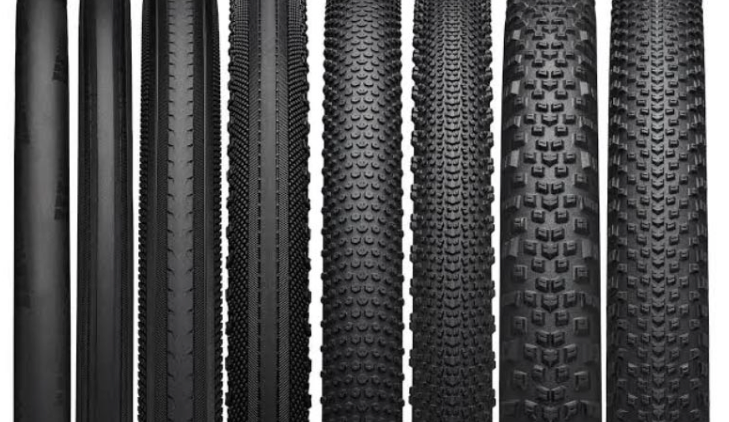
A bike can't talk. But if it could introduce itself, it wouldn't start with its frame material or its geometry chart. It would point at its tires.

Tires are the one part of a bike that openly states what it was built to do. Frame numbers, head angles, stack and reach — that's the engineering underneath, and most of it stays invisible until you've ridden the bike for a while. The tires are different. They're right there, at the bottom, doing the talking. Learn to read them and you can pick up almost any bike, glance down, and get a real sense of what it's for — and, more usefully, whether it's for the riding you actually do.
What the width says
There's a number printed on the sidewall of every tire. On a road bike it might read 700 × 28C. On a gravel bike, 700 × 40C. On a mountain bike, 29 × 2.4". The first number is the wheel size; the second is the tire's width.
That width is the single most honest line in a bike's introduction, because width is a trade-off, and the trade is always the same one. As a tire gets wider, it loses speed and gains stability and grip. Narrower rolls faster but feels nervous; wider feels planted and sure-footed but slower. The two move in opposite directions, and there's no tire that escapes it. So the width isn't really telling you about the road — it's telling you which of those two the bike decided mattered more.
When stability and grip matter more than outright speed — on loose or unpredictable ground, where staying upright and in control is the whole point — the tire goes wide. The bike has accepted being slower in exchange for being sure of itself.
But watch what happens at the other end, because this is the part most people miss. A bike built to cover long distances doesn't just keep getting wider for the sake of comfort. Past a certain point a thicker tire would cost too much speed — and for a distance bike, speed is the purpose. A slightly less stable tire that holds a higher average pace gets you farther in the same hours of riding. So a long-distance bike settles on a width that's stable enough to ride all day and no wider, because every extra millimeter past that would quietly shorten how far it can take you.
That's the whole logic of width in one line:
- A narrow tire is a bike that chose speed, and expects ground smooth enough that it never has to trade any away.
- A wide tire is a bike that chose stability and grip, on ground where staying in control matters more than the clock.
- And a long-distance bike lands deliberately in between — wide enough to stay composed for hours, but held back from going further so it can keep covering ground.
Neither end is "better." They're answers to different questions about what the riding is for.

What the tread says
If width tells you how much surface the bike expects, the tread tells you what kind. Two things matter here: the shape of the knobs and the spacing between them.
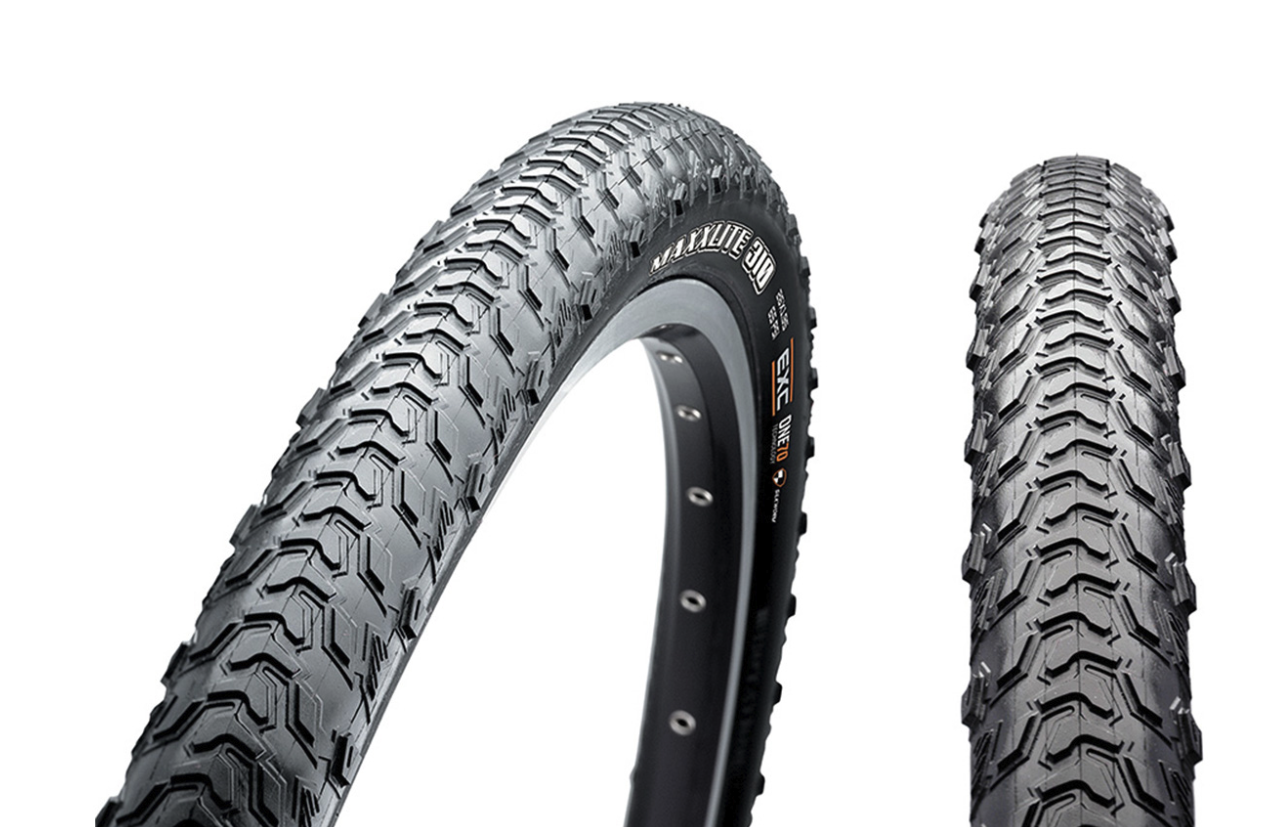
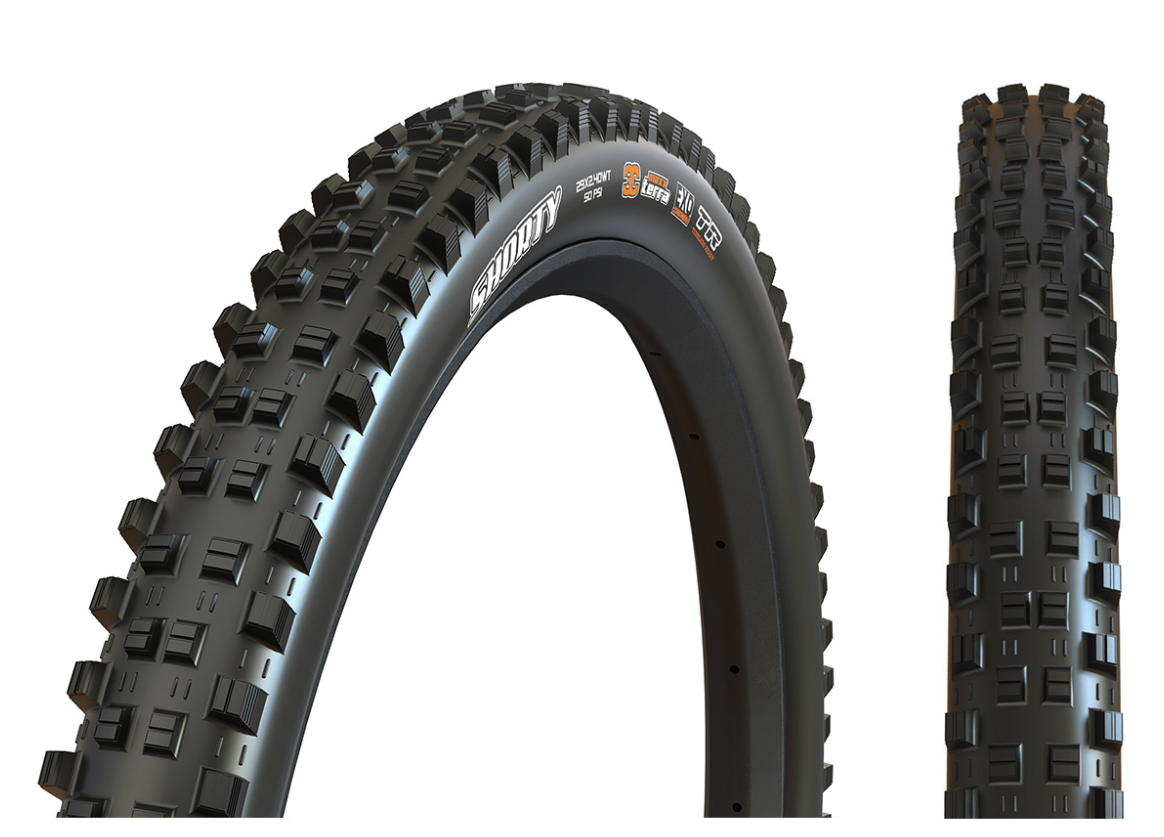
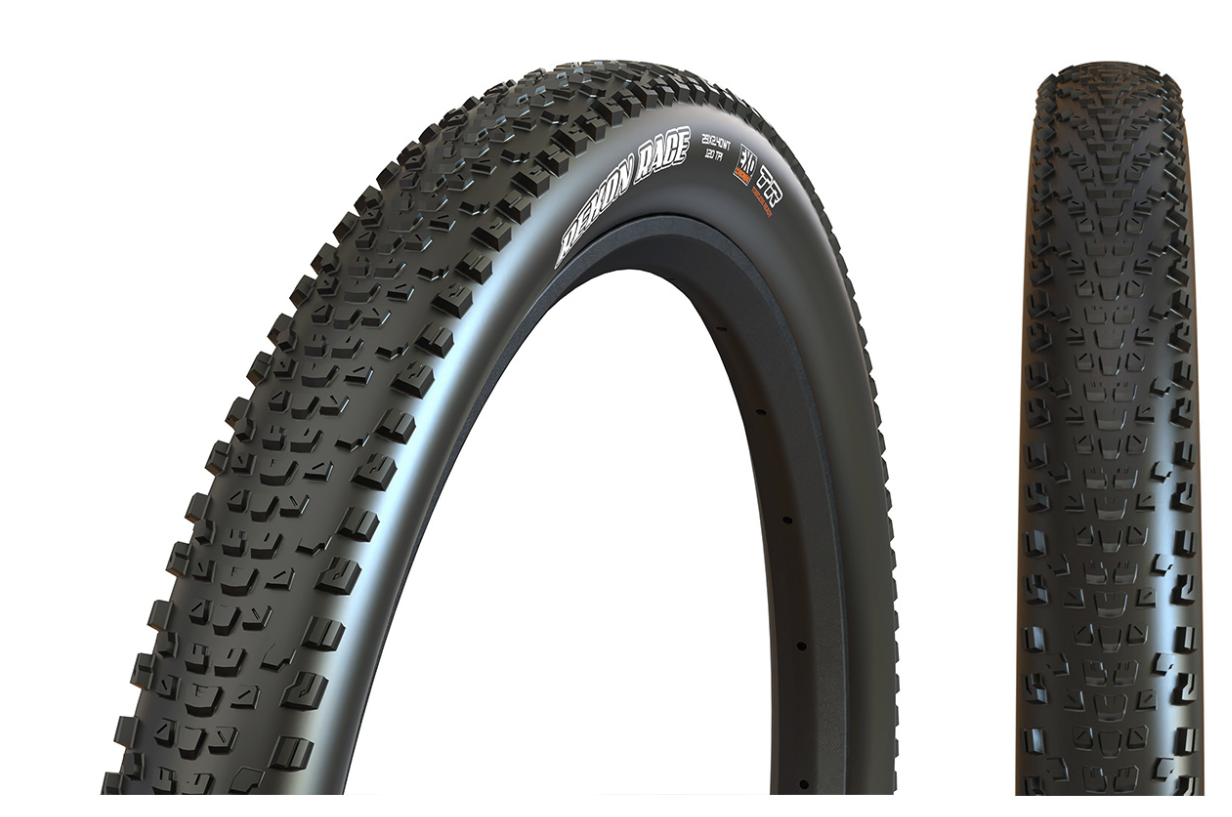
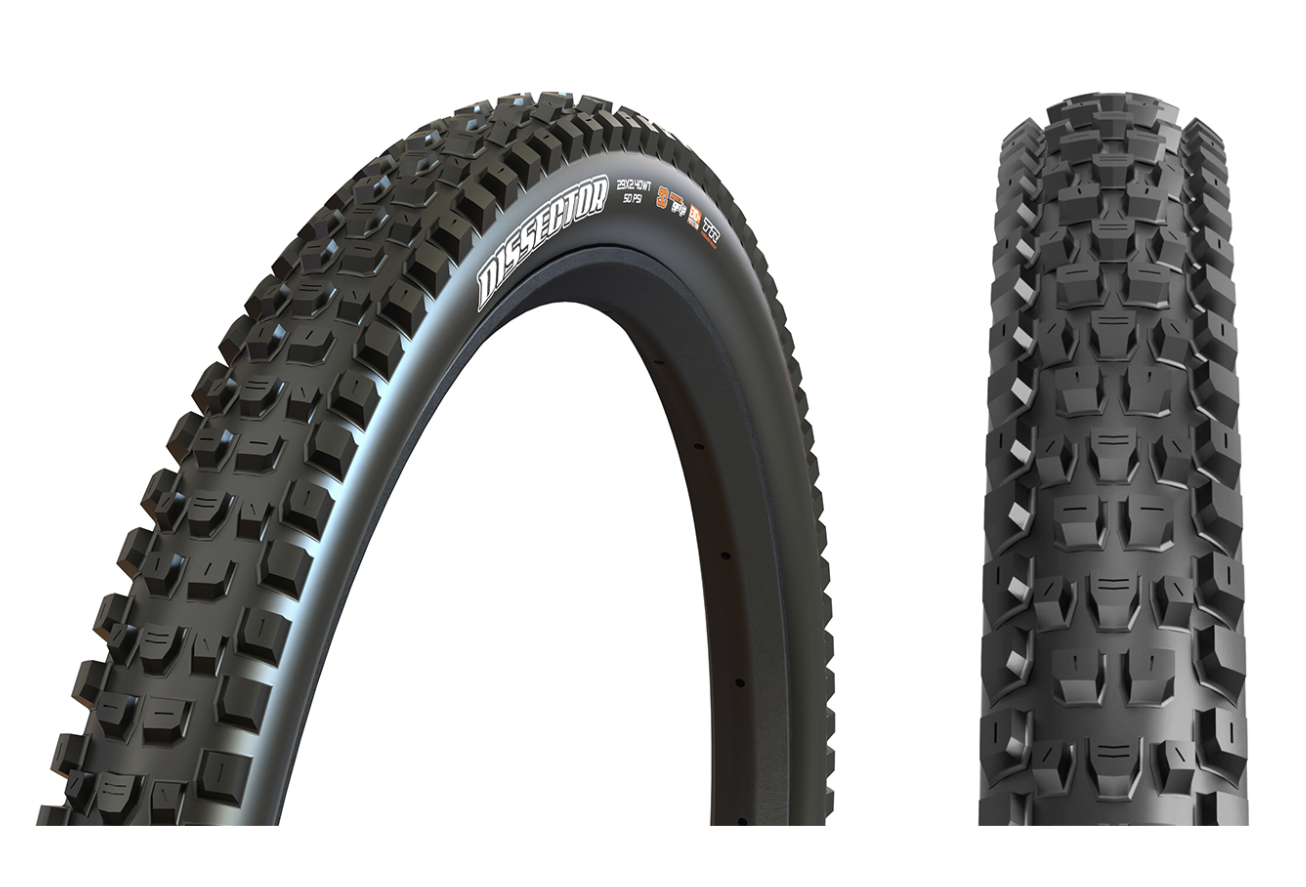
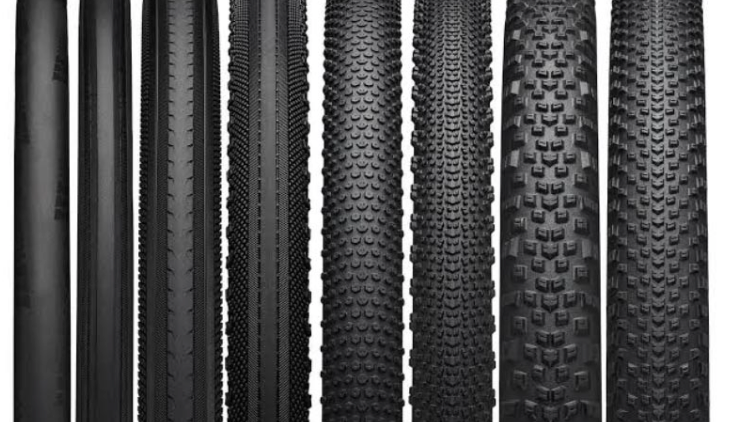
A smooth, nearly patternless tire — a "slick" — is built for pavement. On a hard surface, tread does almost nothing useful; a smooth tire actually grips better there, because more rubber stays in contact with the road. So a slick tire is a bike saying plainly: I live on paved roads and bike paths, and I want to roll fast and quiet.
As the ground gets looser, the knobs grow and spread apart. Small, low, tightly packed knobs are for light, dry gravel and hardpack — enough bite to feel secure, not so much that they drag on pavement. Tall, aggressive, widely spaced knobs are for mud and loose dirt: the gaps let the tire dig in and then shed the muck instead of clogging. Wide spacing is a tire telling you it expects to fight for grip.
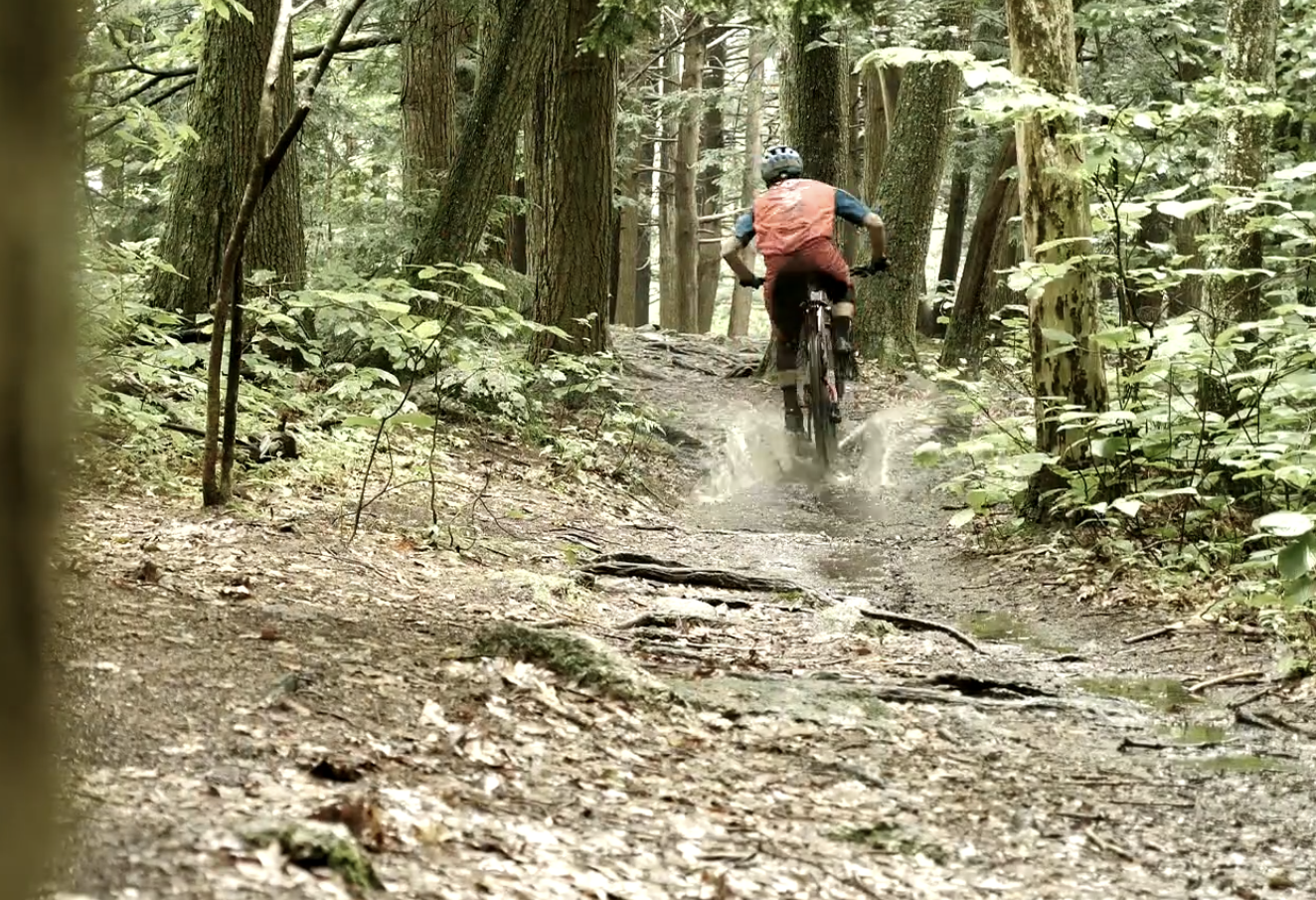
The shoulder of the tire — the knobs out at the edge — tells its own small story. Pronounced side knobs are there to hold the bike when it's leaned over in a loose corner. A bike with big shoulder knobs expects to be ridden hard off-road. A bike without them expects to stay upright on grippy ground.
Reading the two together
Put width and tread side by side and the bike's intent gets specific. A narrow slick is a road bike — built for paved speed. A wide tire with tall, spaced knobs is a mountain bike — built to go where there's no road at all. A medium-wide tire with small, tight knobs is the in-between bike, the one that wants to handle a paved commute on Monday and a gravel path on Saturday without complaint.
The table below lays out the common combinations and what each one is quietly telling you.
- SpeedHighest
- Stability & gripLowest
- ExpectsSmooth pavement
- Built forGoing fast
- SpeedModerate
- Stability & gripModerate
- ExpectsMixed surfaces
- Built forDistance, versatility
- SpeedLowest
- Stability & gripHighest
- ExpectsRough, loose ground
- Built forControl, capability
- Best onPavement
- Knob spacingNone
- FeelFast, quiet
- Off-roadNervous on loose
- Best onGravel, hardpack
- Knob spacingClose
- FeelSecure, still quick
- Off-roadConfident on dry
- Best onMud, loose dirt
- Knob spacingWide
- FeelGrippy, loud on road
- Off-roadDigs in, sheds muck
Most real tires sit somewhere between these columns, not dead-on one of them — a bike's true character is the width and tread read together. The widths shown are typical ranges, not hard lines: a 32 mm tire can wear a light tread, a 45 mm one can go knobby. Read both, then hold the answer up against the riding you actually do.
The honest part: no tire does everything
Here's the thing the tire can't hide, and shouldn't. Every choice it makes costs something somewhere else.
The wide, knobby tire that floats over a rocky trail is slower, heavier, and buzzes loudly on pavement. The narrow slick that rolls fast and silent on a smooth road is nervous and skittery the moment the surface turns to gravel. You can move toward grip and comfort, or toward speed and efficiency, but you can't have the far end of both at once — not on the same tire.
That's not a flaw to engineer around. It's just physics being honest. A tire is a single, clear answer to the question "what kind of riding is this for?" — and the clearer the answer, the more it gives up at the opposite extreme. When a bike's tires try to be good at everything, what they're really telling you is that they've picked a middle, and the middle is a real choice too.
So, next time
You don't need the geometry chart. You don't need to know the frame's modulus or the head tube angle. Before any of that, look down.
Read the width: how rough a road is this bike expecting? Read the tread: how loose? Then hold that answer up against the riding you actually do — the roads near you, the surfaces you'll really ride, the distances you have in mind. If the tire's story matches yours, the bike underneath it is probably built for you. If it doesn't, no spec sheet is going to fix that.
A bike introduces itself at the bottom, in rubber. It's worth learning to listen.