Where to Sleep & Eat Along the Way [Cross-Country Series #5]
![Where to Sleep & Eat Along the Way [Cross-Country Series #5]](/content/images/size/w1200/2026/03/F01DF418-A1C7-47BD-A8AF-BC4163592DA2_1_105_c-1-1.jpeg)
In Part 2, we gave you a budget overview. In Part 4, we flagged where food and water get scarce. This post fills in the rest: where to actually sleep, what to actually eat, and how to handle it all when you don't speak Korean.
This is the practical stuff. No theory — just answers.
Where to Sleep (숙소)
You have four options. Most riders use motels. All four work.
1. Motels (모텔) — The Default Choice
Korean motels along the cycling route are clean, cheap, and always have hot showers. That's all you need after 120 km in the saddle. They're not fancy — but they have beds, air conditioning, Wi-Fi, and usually a TV you won't watch because you'll be asleep in 3 minutes.
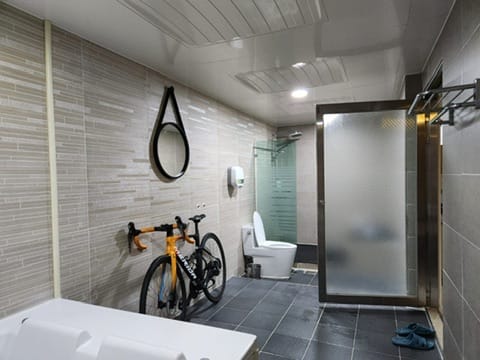
What to expect:
- Private room with a bed (usually a firm mattress on the floor or a Western-style bed)
- Hot shower with soap and shampoo provided. Toothbrushes and other personal items are usually sold at the front desk for about ₩1,000 — ask when you check in.
- Wi-Fi and air conditioning
- Some have laundry machines — ask at the front desk
Price: ₩40,000–70,000 per night. Cheaper in rural areas, more expensive near cities.
Bike storage: Ask at check-in whether you can bring your bike to your room. Motels in the Seoul–Chungju area (before Saejae Pass) are generally familiar with cyclists and almost always allow indoor storage — no questions asked. Koreans tend to be especially accommodating toward foreigners, so even when the official policy says no, you'll often get a yes.
However, once you cross into the Gyeongsang-do region (after Saejae), many motels aren't used to cyclists bringing bikes inside. Some will say no. If you have other options nearby, try another place. If you don't — and in smaller towns you might not — be prepared to lock your bike outside. A good lock and well-lit spot are your best friends here.
2. Jjimjilbang (찜질방) — Budget + Recovery
A jjimjilbang is a Korean bathhouse with a communal sleeping area. For ₩10,000–15,000, you get a hot bath, sauna, and a spot on the floor to sleep. It sounds rough. It's actually incredible — especially for sore cycling legs.
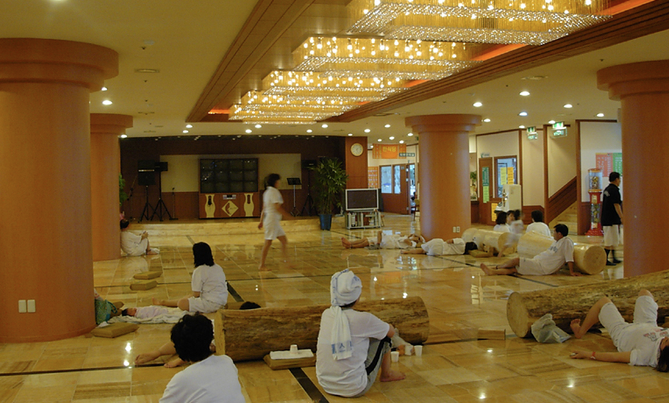
How it works (step by step):
- Enter. Remove shoes. Put them in a shoe locker.
- Pay at the counter. You'll get a locker key (or wristband), two towels, and a set of shorts + t-shirt (the sleeping outfit).
- Go to the bathing area (gender-separated). You must be fully undressed. No swimsuits. This is the rule, not a suggestion.
- Shower first (sitting on a low stool), then soak in the hot tubs. Multiple temperatures — start warm, work up.
- Dry off, put on the provided shorts and t-shirt.
- Go to the communal area (mixed gender). Find a spot on the heated floor. Sleep.
What's provided: Towels, sleeping clothes, soap, shampoo, body wash, toothpaste, hair dryer.
What to know:
- Tattoos are generally fine in Korea (unlike Japan). Most jjimjilbangs won't turn you away.
- It's a shared sleeping floor — bring earplugs. People snore.
- Bike storage is the biggest downside. Most jjimjilbangs don't have anywhere to keep a bike, and asking to leave it inside usually won't work. You'll likely need to lock it outside. If bike security is a concern, a motel is the safer choice.
- The hot bath after a day of climbing Saejae Pass is worth the entire ₩12,000. Your legs will thank you.
3. Camping & Shelters (캠핑 / 쉼터)
The cross-country route has covered rest shelters (정자 / 쉼터) roughly every 8–10 km. They have roofs, benches, and usually restrooms and water nearby. Many riders sleep in these — just roll out a sleeping pad under the roof. It's free, it's safe, and Korea's crime rate is essentially zero.
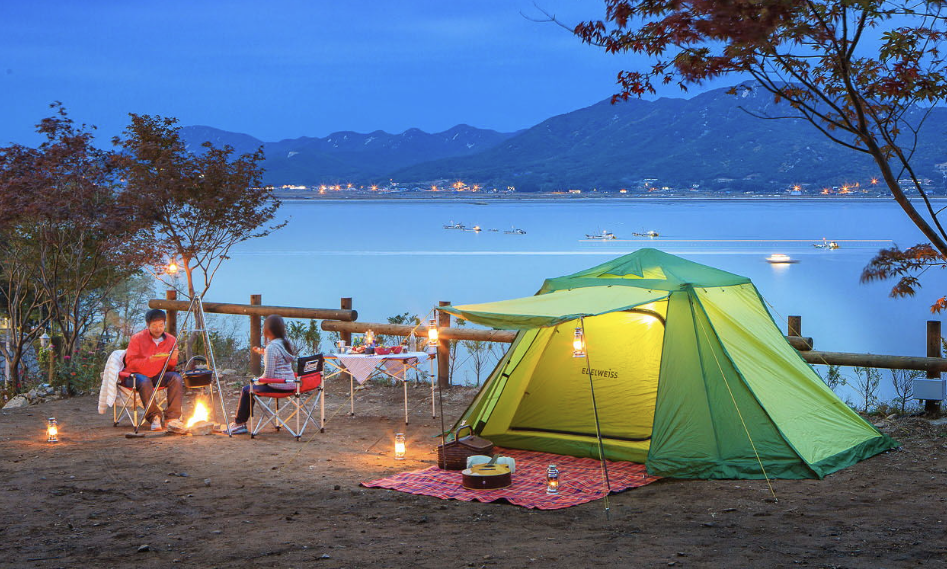
If you're bringing a tent:
- Flat grassy areas near weirs (보) and along riverbanks are popular camping spots
- Some sections have designated camping areas — free or ₩10,000–15,000 for organized sites
- Facilities vary: some have showers and electricity, others are just a patch of grass
- Best camping spots are near the certification centers, which tend to have restrooms, water, and convenience stores nearby
The trade-off: Camping saves money but adds weight. You'll need a sleeping pad, sleeping bag (or liner for summer), and possibly a tent. That's 2–4 kg extra on your bike for 633 km. If you're on a tight budget, it's worth it. Otherwise, motels win on convenience.
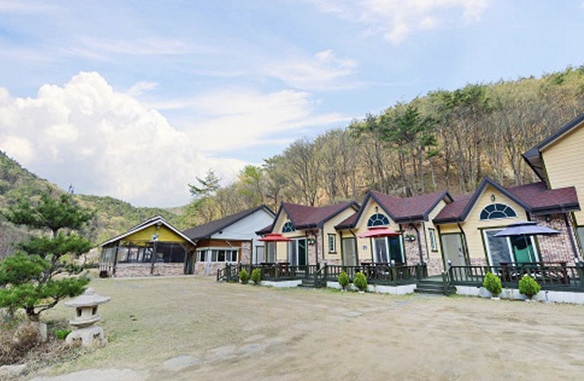
4. Pensions (펜션) — Family Option
Pensions are Korean-style vacation rentals — a standalone room or small house, usually in tourist areas. Most cross-country riders don't use them — a motel does the job for less money.
That said, if you're doing a "rider + family support car" trip — you ride, your family drives and meets you at the overnight stop — a pension makes more sense than cramming everyone into a motel room. They sleep 2–4+ people and have more space for kids. Available near Yeoju and the more touristy areas along the route. ₩100,000–300,000+ per night.
How to Find a Room (외국인을 위한 숙소 찾기)
This is the part most English-speaking riders stress about. Here's the honest truth: walk-ins are the way to go.
The Walk-In Method (Most Reliable)
When you're about 1–2 hours from finishing for the day, open Naver Map (not Google Maps — Google is inaccurate in Korea) and search for 모텔 or 숙박. You'll see pins on the map. Ride to one. Walk in. Point at yourself, hold up one finger (one room, one night), and it works.
Tips for walk-ins:
- Cards work almost everywhere. Even in small towns, motels accept credit and debit cards. Carry some cash (₩50,000) as a backup, but you won't need it in most places.
- Use Papago (Naver's translation app) if you need to communicate something specific. It's more accurate than Google Translate for Korean.
- The phrase "방 있어요?" (bang isseoyo?) means "Do you have a room?" — but honestly, just walking in and gesturing works fine.
Booking Apps (Backup Plan)
The big Korean apps — Yanolja and Goodnight — require a Korean phone number and are entirely in Korean. They won't work for most foreigners.
What does work:
- Agoda — Best international option for Korean motels. Has decent coverage in larger towns (Yeoju, Gumi, Busan). Thin coverage in small towns.
- Booking.com — Similar to Agoda. Good for cities, less useful for rural stops.
- Airbnb — Useful in Yeoju and Busan. Not practical for mid-route towns.
The Booking Strategy
You should have a rough plan for which town you'll sleep in each night — but don't pre-book everything. Locking in reservations creates schedule pressure. If you're behind pace, you stress about making your booking. If you're ahead, you can't take advantage of it.
Instead: aim for towns with plenty of options (Yeoju, Gumi, Busan), and walk in. If you're heading for a town with enough motels, you won't run into a "no rooms available" situation.
The one exception: The Ihwaryeong Pass area on Day 2 (more on that below). That's the only section where pre-booking can save you real trouble.
Stage-by-Stage: Where to Stay Each Night (구간별 숙박 가이드)
Here's what's waiting for you at each overnight stop on the standard 5-day itinerary:
Night 1: Yeoju (여주) — Day 1 finish, ~138 km from Incheon
Vibe: A mid-sized town with plenty of options. You won't have trouble finding a room.
- Motels clustered near Yeoju bus terminal and along the main road
- Some accommodations visible from the bike path near Yeoju Weir (여주보)
- Restaurants and convenience stores within walking distance
- ATMs available (Shinhan, Hana, Woori — these work with foreign cards)
Why it works: Big enough to have everything, small enough to be affordable. The easiest overnight stop on the route.
Night 2: The Ihwaryeong Decision — Before or After?
This is the most important accommodation decision of the entire trip. It comes down to one question: what time are you reaching Ihwaryeong Pass?
The problem: After you cross Ihwaryeong, accommodation options drop dramatically. The towns on the other side are small, and during cycling season (April–May, September–October), rooms fill up — even in the tourist areas. If you summit at sunset, you could be looking at 2+ more hours of riding just to reach a town with a vacancy.
From experience: I once crossed Ihwaryeong at around 6 PM. Every place nearby was full. I ended up riding until 10 PM to find a room. Don't let this happen to you.
The rule of thumb:
- Reaching the summit by early afternoon? Cross it. You'll have plenty of daylight to find accommodation on the other side in Mungyeong (문경) area.
- Looking like a late afternoon climb? Stop and think. Either pre-book something on the other side before you start climbing, or stay on the near side at Suanbo Hot Spring town (수안보온천) — it's right on the bike path before the summit, with hot spring hotels and jjimjilbangs. A soak in the hot springs after a day of climbing is hard to beat anyway.
About Mungyeong:
- Small town — fewer motels than Yeoju, most clustered near the town center about 5 km from the bike path
- Restaurants close early. Aim to arrive before 8 PM if you want a proper dinner.
- ⚠️ During peak season (April–May, September–October), pre-book if you plan to sleep here. It's the one stop on the route where rooms genuinely run out.
Night 3: Gumi (구미) — Day 3 finish, ~112 km from Mungyeong
Vibe: A proper city. Industrial, not pretty — but has everything a cyclist needs.
- Motels everywhere. Walk-in is easy.
- Full range of restaurants, convenience stores, and shops
- If anything on your bike needs fixing, this is your last reliable chance before Busan. There are bike shops in the city.
- ATMs, pharmacies, and a HomePlus (대형마트) for any gear you need to resupply
Why it works: It's the most "normal city" overnight stop. Stock up on anything you're running low on — the next two days get rural.
Night 4: Changnyeong (창녕) — Day 4 finish, ~105 km from Gumi
Vibe: Small, rural, quiet. The thinest options on the route.
- A handful of motels in town, about 2–3 km off the bike path
- Limited restaurant options — eat before you arrive or rely on convenience stores
- If Changnyeong feels too small, Uiryeong (의령) — about 20 km earlier — is another option with slightly more infrastructure.
Pro tip: If you're worried about finding a room, use Naver Map to scope out motels while you're still riding. Screenshot the location so you don't have to search after dark.
Night 5: Busan (부산) — FINISH
You made it. Busan has everything — from ₩30,000 guesthouses to luxury hotels. Treat yourself.
- The finish line at Nakdong River Estuary (낙동강하구둑) is in Saha-gu — not central Busan. Taxi to your hotel (~30–40 minutes) or to Busan Station for the KTX home.
- Seomyeon (서면) and Haeundae (해운대) are popular areas to stay for a celebratory night out.
- Book this one in advance on Agoda or Booking.com — you've earned a nice room.
What to Eat (식사 가이드)
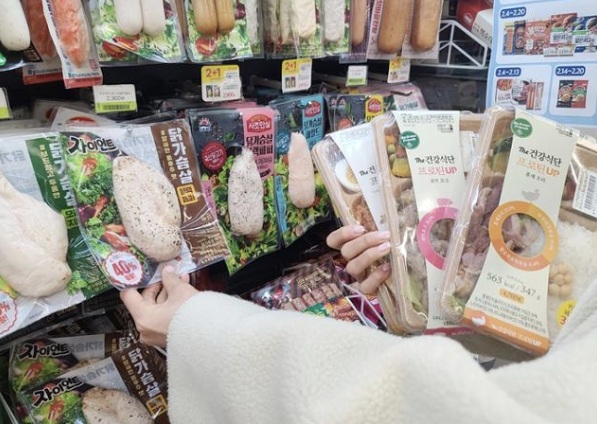
The Convenience Store Survival Kit (편의점 필수 아이템)
Korean convenience stores (CU, GS25, 7-Eleven) are everywhere — and they're good. This isn't gas station food. Here's what to grab:
Best items for cyclists:
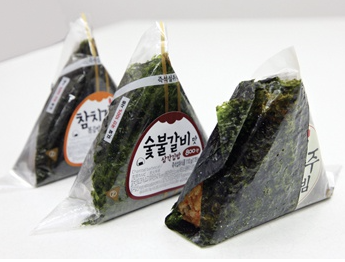
- Samgak Kimbap (삼각김밥) — Triangle-shaped rice balls wrapped in seaweed. ₩1,200–1,500. The numbers on the wrapper show you how to open it (1→2→3). Best flavors: tuna mayo (참치마요), bulgogi (불고기). Compact, filling, and fast. The ultimate cycling fuel.
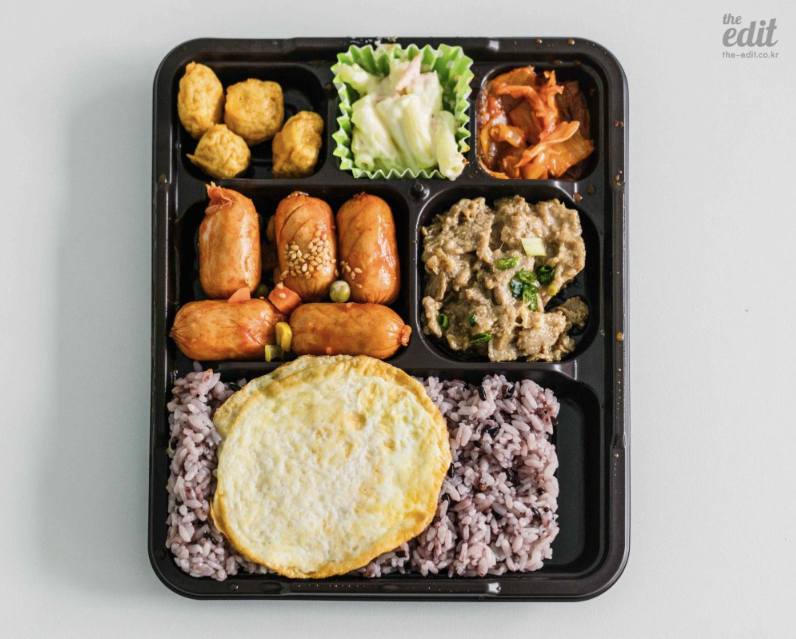
- Dosirak (도시락) — Boxed meals with rice, protein, and side dishes. ₩3,500–5,000. Ask the cashier to microwave it — point at the meal and the microwave, they'll heat it up.
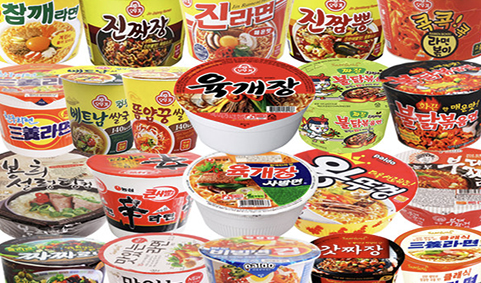
- Cup Ramen (컵라면) — ₩1,200–1,500. Hot water is free at every convenience store. Perfect for a quick warm meal at a rest stop.
- Bananas (바나나) — Sold individually. ₩500–1,000. Nature's energy gel.
- Dr. You Energy Bars — Korean energy bars, ₩1,500. Found at most convenience stores.
Drinks:
- Pocari Sweat (포카리스웨트) — The go-to sports drink. Electrolytes without being too sweet. ₩1,500 for 500ml. Buy one at every stop.
- Water (물) — 500ml ₩600, 1.5L ₩1,000–1,500. Refill your bottles at every opportunity — especially south of Gumi where stores thin out.
- Canned coffee (캔커피) — ₩500–1,000. The morning kick-start before Day 2's mountain passes.
Nutrition strategy:
During the day, prioritize quick calories — samgak kimbap, energy bars, bananas, sports drinks. Things you can eat fast and get back on the bike. Unless there's a specific restaurant you really want to try, eat at convenience stores during the day. Sitting down for a full restaurant meal takes 30–60 minutes, and that's time you can't afford when daylight matters. Keep moving; save the real meals for dinner.
In the evening, shift to protein. Your muscles need it to recover overnight. A protein-heavy dinner at a restaurant is ideal, but even at a convenience store, grab a protein drink (프로틴 음료), chicken breast snack, or eggs on top of your regular meal. It makes a noticeable difference in how your legs feel the next morning.
Pro tip: Convenience stores have microwaves and hot water dispensers. You can eat a full hot meal for under ₩5,000 without sitting down at a restaurant. On long days, this saves serious time.
Restaurant Ordering Without Korean (식당 주문법)
You'll want at least one real sit-down meal a day. Here's how to navigate Korean restaurants when you can't read the menu:
Method 1: Photo menu. Many restaurants — especially near popular cycling routes — have menus with photos. Point at the photo. Done.
Method 2: The Papago trick. Open Papago (Naver's app). Type what you want in English. Show the Korean translation to the server. "Bibimbap, not spicy please" becomes "비빔밥, 맵지 않게 해주세요" — and the server will understand.
Method 3: Point at another table. See something that looks good at the next table? Point at it and say "이거 주세요" (igeo juseyo) — "This one, please." It works every time.
Method 4: Camera translation. Google Translate or Papago camera mode — aim your phone at the Korean menu and it translates in real-time. Download the offline Korean language pack before your trip.
Meals That Work for Cyclists
These are common along the route, filling, and easy to order:
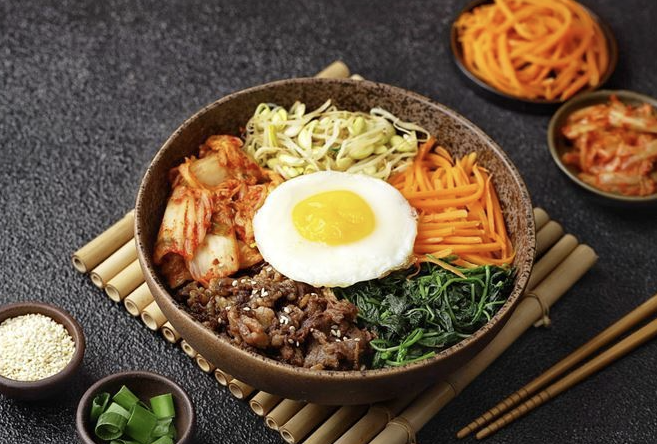
Bibimbap (비빔밥) — Rice, vegetables, egg, and chili paste. Mixed together in a bowl. Balanced carbs and protein. Available almost everywhere. ₩8,000–12,000.
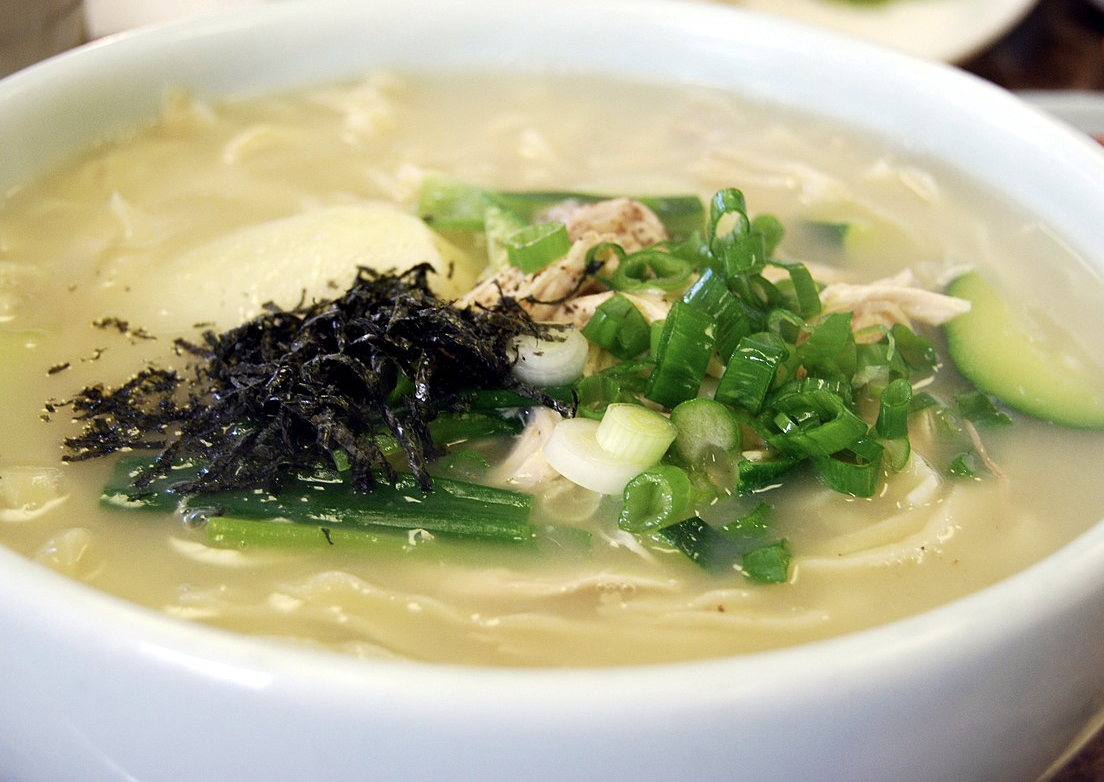
Kalguksu (칼국수) — Hand-cut noodle soup. Mild, warm, easy on the stomach. Great after a hard day. ₩8,000–10,000.
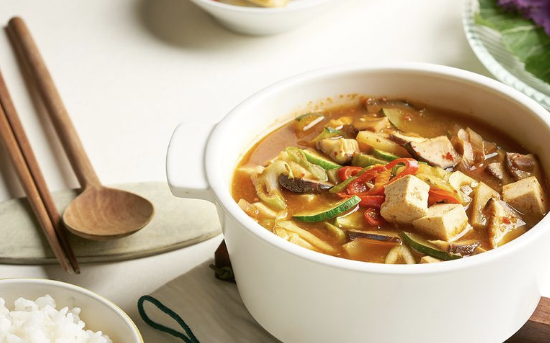
Doenjang Jjigae (된장찌개) — Soybean paste stew with tofu and vegetables. Not spicy. Comes with rice and side dishes. ₩8,000–10,000.
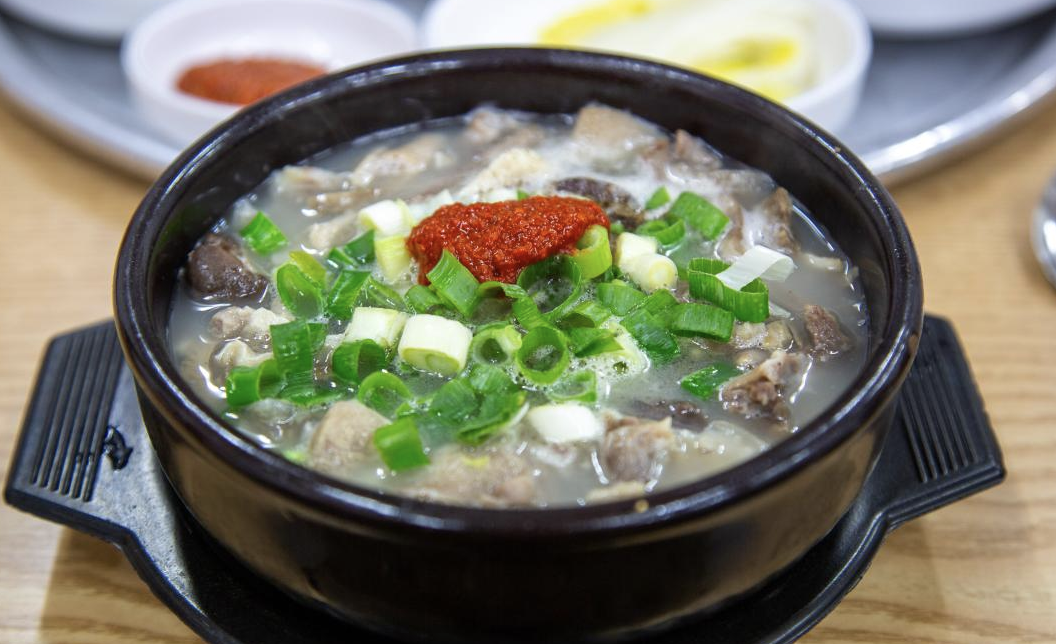
Sundae Gukbap (순대국밥) — Blood sausage and pork soup with rice. Hearty and filling. A blue-collar classic. ₩7,000–10,000. Add salt and chili flakes from the table to taste.
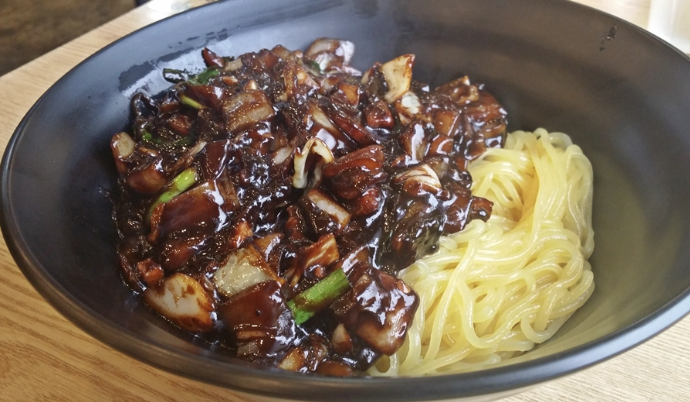
Jajangmyeon (짜장면) — Korean-Chinese black bean noodles. If you've never tried it, this is your sign. Cheap, filling, and impossible to get wrong — every Korean-Chinese restaurant makes it the same way. ₩6,000–8,000. If noodles aren't your thing, order bokkeumbap (볶음밥) — fried rice — instead. Korean-Chinese restaurants (중국집) are everywhere, even in small towns where other restaurant options are limited. When nothing else looks promising, a 중국집 is always a safe bet.
Stage-by-Stage: Food Availability (구간별 식사 가능 여부)
- Incheon → Seoul (Ara + Han River): Unlimited options. Convenience stores, restaurants, cafes every few hundred meters. Don't even think about food supply here.
- Seoul → Yeoju (South Han River): Gradually thins out, but still manageable. Convenience stores at most weirs. Restaurants available in Yangpyeong and Yeoju.
- Yeoju → Mungyeong (Saejae): ⚠️ This is the food desert. Eat a big meal in Chungju (충주) before starting the mountain section. Between Chungju and Mungyeong, there's very little — a few vending machines and one or two small restaurants near Suanbo. Carry energy bars and extra water.
- Mungyeong → Gumi (Upper Nakdong): Improving. Restaurants in Sangju (상주) and Gumi. Convenience stores at major weirs.
- Gumi → Changnyeong (Mid-Nakdong): ⚠️ Second food desert. The most remote section of the entire route. Convenience stores are sparse. Stock up in Gumi — carry enough food and water for 80+ km. The weirs have restrooms but not always stores.
- Changnyeong → Busan (Lower Nakdong): Gradually improves as you approach Busan. The last 50 km is urban — food is everywhere again.
The Foreigner Survival Phrases (생존 한국어)
You don't need to learn Korean. But five phrases will make your life significantly easier:
- 방 있어요? (bang isseoyo?) — "Do you have a room?"
- 이거 주세요 (igeo juseyo) — "This one, please." (pointing at menu/food)
- 얼마예요? (eolma yeyo?) — "How much?"
- 맵지 않게 (maepji anke) — "Not spicy" (crucial if you don't do heat)
- 감사합니다 (gamsahamnida) — "Thank you"
Beyond that — Papago app, pointing, and smiling will get you through. Koreans are helpful. Even in small towns where no one speaks English, people will go out of their way to help a lost cyclist.
The Quick Reference Card (빠른 참고표)
Save this on your phone:
Overnight Stops (5-day itinerary)
- Night 1: Yeoju (여주) — Easy. Walk-in.
- Night 2: Mungyeong (문경) or Suanbo (수안보) — Pre-book in peak season.
- Night 3: Gumi (구미) — Easy. Walk-in. Stock up here.
- Night 4: Changnyeong (창녕) — Small. Have a backup plan (Uiryeong).
- Night 5: Busan (부산) — Book in advance. Celebrate.
Food Deserts (pack extra)
- Chungju → Mungyeong (Saejae mountain section)
- Gumi → Changnyeong (mid-Nakdong River)
Apps You Need
- Naver Map — Finding motels and restaurants (NOT Google Maps)
- Papago — Korean translation (better than Google Translate for food/directions)
- Agoda — Pre-booking accommodations
Next in This Series
- What Is the Cross-Country Route?
- Planning Your Ride: Days, Budget & Gear
- The Bike Passport: Korea's Stamp Rally System
- Stage-by-Stage Breakdown
- Where to Sleep & Eat Along the Way ← You are here
- Navigation & Apps
- What I Wish I Knew Before My First Cross-Country
Questions about the route? Planning your trip? We've helped hundreds of riders prep for this ride. Come in — we'll go through everything with you.
Platoon Cycles
📍 157, Pyeongseongdaegyo-gil, Paengseong-eup, Pyeongtaek-si
📞 070-8845-7351
🌐 www.platooncycles.com

![What I Wish I Knew Before My First Cross- [Country Cross-Country Series #7 Final]](/content/images/size/w720/2026/03/20231001_180018-1.jpg)
Comments ()